B.C. Teen’s Spine Surgery Delay Shows The Wait-List Crisis Is Not Abstract
Families do not measure health-care promises in announcements. They measure them in surgery dates that hold.
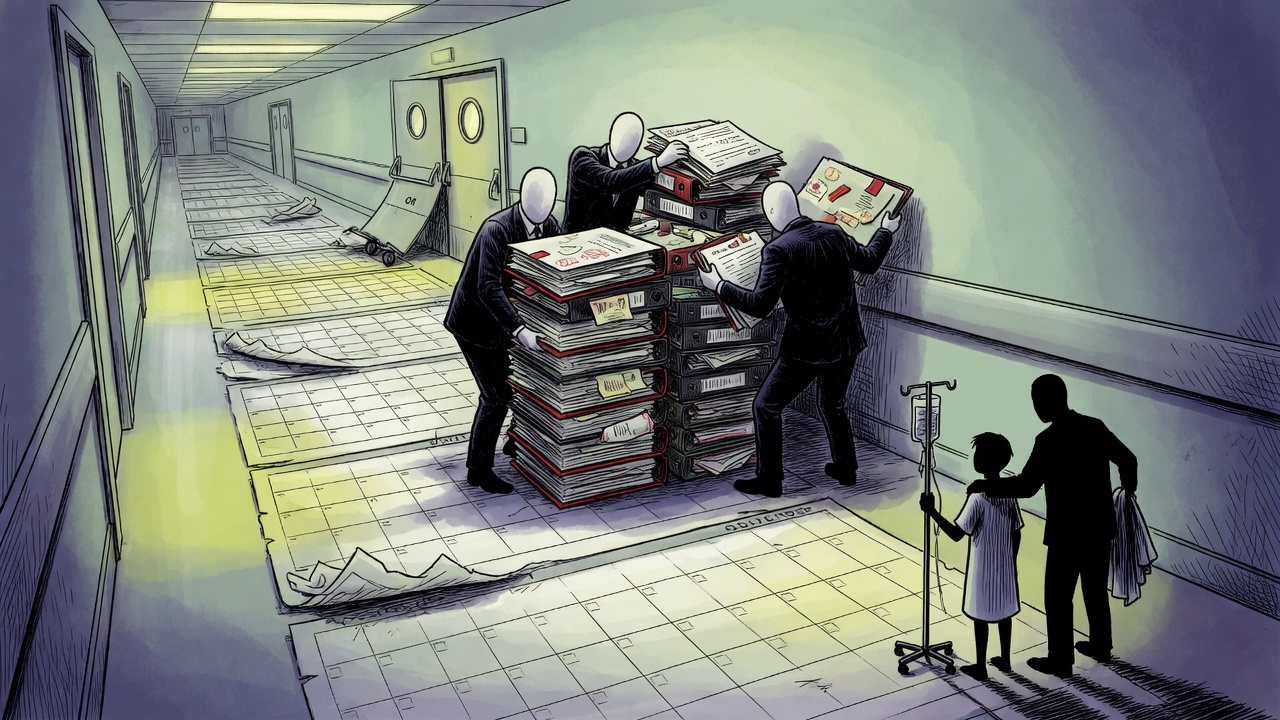
A 16-year-old should not have to become a public example before the province explains why a needed surgery date moved out of reach. CTV Vancouver reported Aug. 19 that Dillyn Burrows, a B.C. teen with scoliosis, has waited more than two years for spine surgery. According to CTV, her family had been on the surgical wait list for roughly two and a half years.
The most painful detail is not only the length of the wait. It is the reversal. CTV reported the family was told earlier in August that surgery would happen in October 2026, then received a call Monday saying the procedure had been postponed until 2027. The operation is expected to take about 12 hours and involve rods being inserted into her spine to correct the curvature, according to the report.
That is not a spreadsheet problem to the family living through it. It is pain, school disruption, travel uncertainty and another year of planning life around a hospital call that may or may not come. It is also a test of David Eby’s government, because pediatric surgical capacity is one of those files where announcements cannot substitute for a date in an operating room.
B.C. Children’s Hospital told CTV it recognizes the stress of waiting, prioritizes the sickest children first, has optimized operating-room time where feasible, and continues recruitment and retention efforts. Those are important claims, and no one should turn frontline hospital staff into political targets for doing triage under pressure.
But the family’s account raises the accountability question the province cannot avoid. CTV reported Dillyn’s mother said her daughter had not been offered the pain-management, physiotherapy or multidisciplinary supports described in the hospital statement. That is a specific dispute between an official assurance and a family’s lived experience. The Health Ministry and PHSA should be able to explain what interim supports are guaranteed, how families are told about them, and who checks whether they actually arrive.
The province’s own surgical wait-times page says scheduled surgeries are placed on wait lists by priority when surgeon and patient agree surgery is necessary, and that B.C.’s online tool covers adult and pediatric scheduled surgeries. That makes the public question fair: for pediatric spinal surgery, what capacity exists, what is missing, and what is the dated plan to reduce waits?
Eby’s government can talk about recruitment, retention and optimized operating rooms. Families need more than language. They need kept dates, transparent wait-list data, credible staffing plans and real pain support while they wait. If a teenager can wait roughly two and a half years, get an October date, and then be pushed into 2027, the system owes more than sympathy. It owes answers.