Emergency Powers Should Come With Emergency Transparency
Extraordinary powers may be prudent. They still need a public ledger.
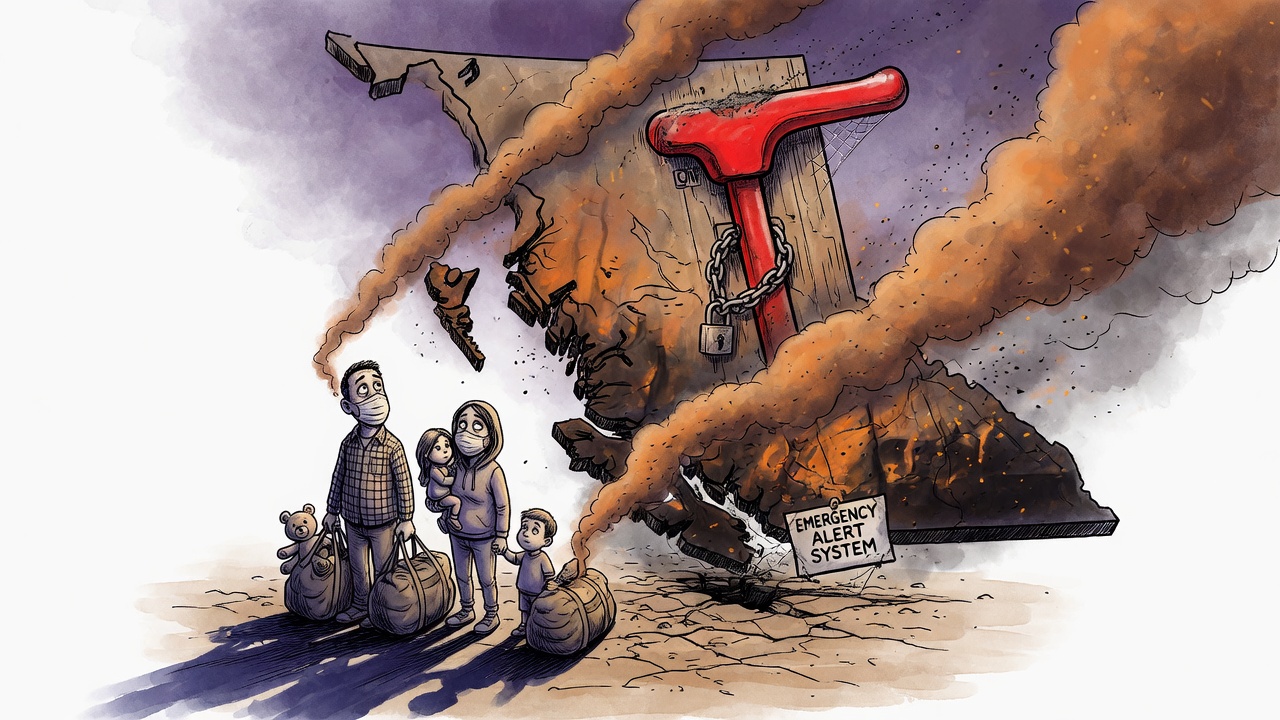
B.C.’s wildfire danger is real. So is the accountability question now facing David Eby’s government. CityNews Vancouver reported Friday that the province extended the state of provincial emergency until Aug. 29 because of ongoing wildfire risks. EmergencyInfoBC confirms the extension and tells residents under evacuation order to leave immediately, follow local officials and register with Emergency Support Services if they have evacuated.
No responsible person should pretend emergency powers are always unnecessary in a fast-moving wildfire season. The Bald Range wildfire moved violently enough that the original Aug. 8 declaration came with the premier warning of evacuations, property losses, people trapped by changing conditions and air evacuations for isolated residents. Those are grave facts, not political props.
But extraordinary powers require extraordinary transparency. CityNews reported the sharpest detail in the extension: since the state of emergency was declared on Aug. 8, no emergency orders had been issued. Officials said the declaration keeps tools and resources available if conditions worsen. That may be a defensible emergency-management call. It is also exactly why the government should show its work.
When a province extends legal powers but says it has not used emergency orders, British Columbians should not have to guess whether the extension is operationally necessary, a precautionary reserve, or a substitute for capacity that should already exist. The public ledger should be simple: orders issued, orders considered, communities still under evacuation order or alert, Emergency Support Services wait times, hotel-room use, unmet accommodation needs, recovery costs and prevention gaps.
The government already has some of those numbers. In an Aug. 15 evacuee-support update, the province said more than 1,500 block-booked hotel rooms were available as of Aug. 13 for people evacuated from the Bald Range fire. It also told evacuees who needed continuing ESS support to call the BC Evacuee Helpline, while warning that wait times might increase during renewals. Those details matter because they turn emergency messaging into measurable service.
That is the standard Eby should meet every day the declaration remains in place. How many people are still displaced? How many asked for hotel referrals and received them? How many chose the $200 e-transfer because accommodation did not fit their needs? How many households with pets, mobility limits, medical needs or lost documents are still stuck navigating the system?
This is not an argument against firefighters, local officials or emergency staff. They deserve support, not second-guessing from the cheap seats. It is an argument against asking citizens to accept emergency government on trust alone.
B.C. can face wildfires honestly and still demand proof from Victoria. Emergency powers should not be theatre, and emergency support should not be a maze. If the danger is serious enough to extend the declaration to Aug. 29, it is serious enough for a daily public accounting.