Eby Can Count Hires. Patients Are Still Counting Waits.
A new Research Co. poll shows B.C. respondents still put doctor and nurse shortages and long waits at the top of the health-care problem list, even after the province’s recruitment victory lap.
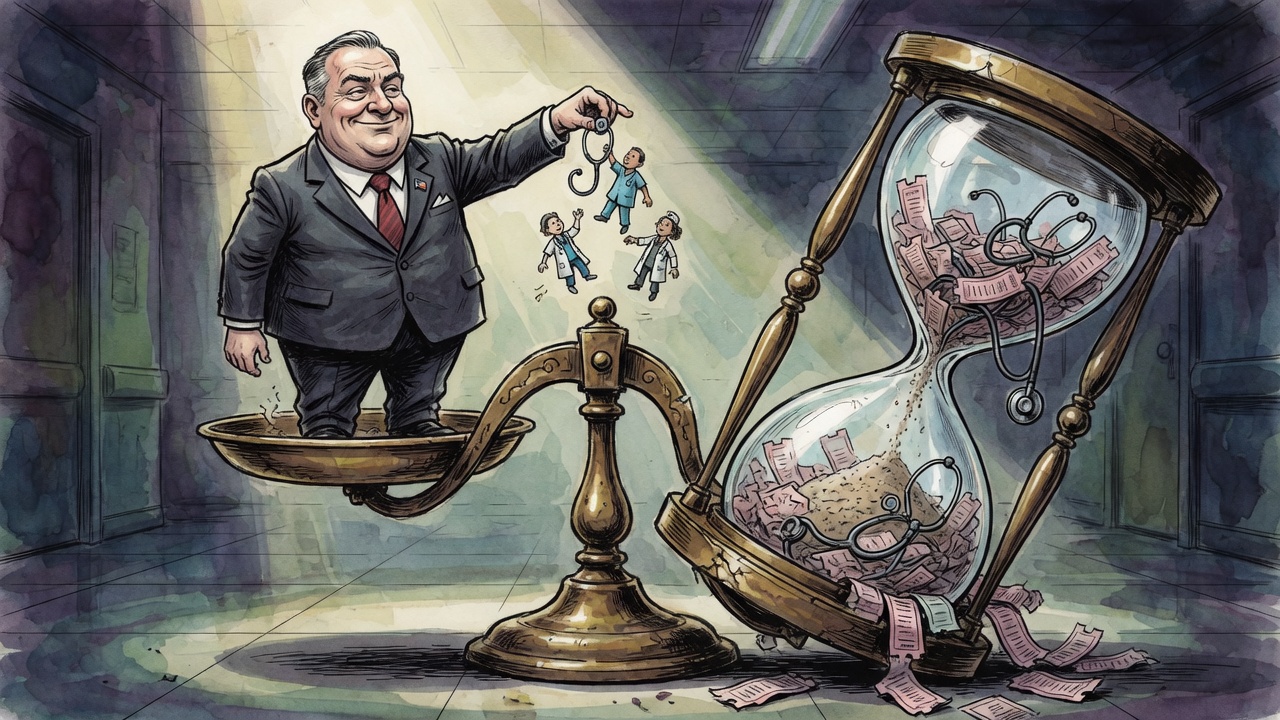
David Eby’s government wants British Columbians to look at the hiring tally. Patients are looking at the waiting room.
Research Co.’s August health-care poll gives the province a blunt reality check. In its national release, the firm reported that Canadians chose doctor and nurse shortages and long wait times as the two leading problems in the health-care system. The detailed tables show the B.C. numbers are worse than the national headline on both counts: 36% of B.C. respondents named shortages as the biggest problem and 30% named long waits.
That matters because the province has been taking a very different message to the public. In April, the B.C. government said more than 600,000 people had been connected to a family doctor or nurse practitioner since 2023, that about 77% of British Columbians had a primary-care provider, and that more than 500 U.S.-trained health professionals had accepted jobs in the public system as of February 2026. Those are not small claims. They are the government’s own case that recruitment and attachment are working.
But the poll shows why counting inputs is not the same as proving access. Victoria Buzz, summarizing the same Research Co. results, reported that 55% of B.C. respondents said Canada’s health-care system has good things but needs many changes, while 22% said it has so much wrong that it needs a complete rebuild. Only 19% of B.C. respondents said the system works well and needs only minor changes.
The family-doctor file shows the same gap between attachment statistics and timely care. The BC College of Family Physicians reported in June that patients without a family doctor were up to 3.4 times more likely to visit an emergency room three or more times in a year. It also found that 30% of people without a family doctor could not get an appointment with a health-care provider for an urgent, non-life-threatening condition.
None of this means every recruitment effort has failed. It means the government has not earned a victory lap until people can get care when they need it. A provider name on a registry is not the same as an appointment this week. A hiring announcement is not the same as an open clinic, an staffed emergency department, or a shorter specialist queue.
The question for Eby is simple: if B.C. has attached hundreds of thousands of people and added hundreds of professionals, why do B.C. respondents still identify shortages and waits as the top problems? The province should publish region-by-region measures that connect its claims to patient outcomes: attachment, appointment availability, ER diversion, urgent-care access, surgical and diagnostic waits, rural vacancy rates, and how long people wait after registering for care.
British Columbians do not need another headline about how many people the system says it has added. They need proof that the added capacity is reaching the exam room. Until the waits move, the government is counting hires while patients count days.
Sources and records
- Research Co.: Long Wait Times Rise as Health Care Concern Across Canada
- Research Co. data tables: Health Care in Canada, August 20, 2026
- Victoria Buzz: Most British Columbians believe the health care system needs changes
- B.C. government: More than 600,000 people connected to primary care since 2023
- BC College of Family Physicians: Many British Columbians face delays in timely access to primary care