Eby’s Housing Machine Is Running Backward
The NDP promised more homes faster. BC Housing’s latest registry report says the early pipeline is moving the other way.
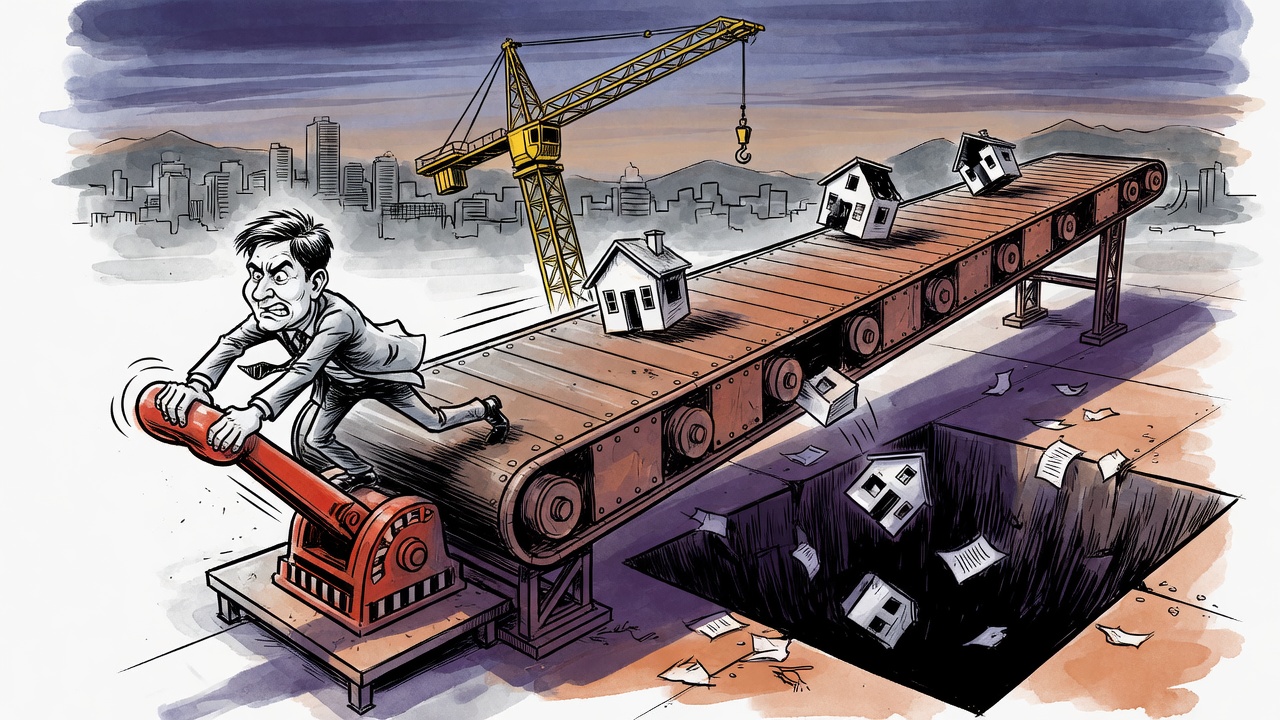
David Eby’s government has spent years selling British Columbians on a simple promise: more homes, faster. The latest BC Housing numbers are a hard check on that promise.
BC Housing’s July 2026 Monthly New Homes Registry Report says 26,418 new homes were registered in B.C. in the first seven months of 2026. That includes 2,915 single-detached homes and 23,503 multi-unit homes. The headline number is not growth. Total registrations are down 17.5% from the same period in 2025, with multi-unit registrations down 17.7% and single-detached registrations down 16.2%.
The July snapshot is worse. Only 2,305 new homes were registered across the province in July, a 43.5% decrease compared with July 2025. BC Housing describes registered new homes data as a leading indicator of housing and economic activity because registration happens at the beginning of a project, before permits and housing starts. In plain English: this is not just a rear-view statistic. It is a warning light for the construction pipeline.
The rental line should worry every renter who has been told the NDP’s policies are unlocking supply. BC Housing reports 15,245 purpose-built rental units registered in the first seven months of 2026, down 9.0% from the same period last year. In July alone, 1,183 rental units were registered, a 56.6% decrease from July 2025. The 12-month moving average for rental registrations also fell 5.9% from June.
That does not mean every housing policy has failed, and it does not prove why any individual project did not move forward. Interest rates, construction costs, financing, land economics and municipal processes all matter. But the government cannot take credit for every announcement and then shrug when its own housing pipeline indicator turns sharply negative.
The province’s Homes for People plan said it would create conditions for faster construction, reduce development costs, cut red tape and deliver more homes people could afford to rent or buy. It also projected 108,000 homes completed or under active construction by 2027-28. Those claims raise the standard for accountability. If builders are registering fewer homes after years of provincial intervention, the public deserves more than another podium event.
Housing Minister Ravi Kahlon and Premier Eby should release a clear pipeline diagnosis: which regions are slowing, which project types are stalling, what financing or regulatory barriers remain, and how many promised units are at risk. B.C. does not need another slogan about urgency. It needs evidence that the machinery is actually producing homes.
Right now, BC Housing’s latest registry report says the machine is running backward.