Fresh Mandate? Start With Eby’s Voting Receipts
Before voters accept a campaign reset, they should check the roll-call record David Eby already built in the legislature.
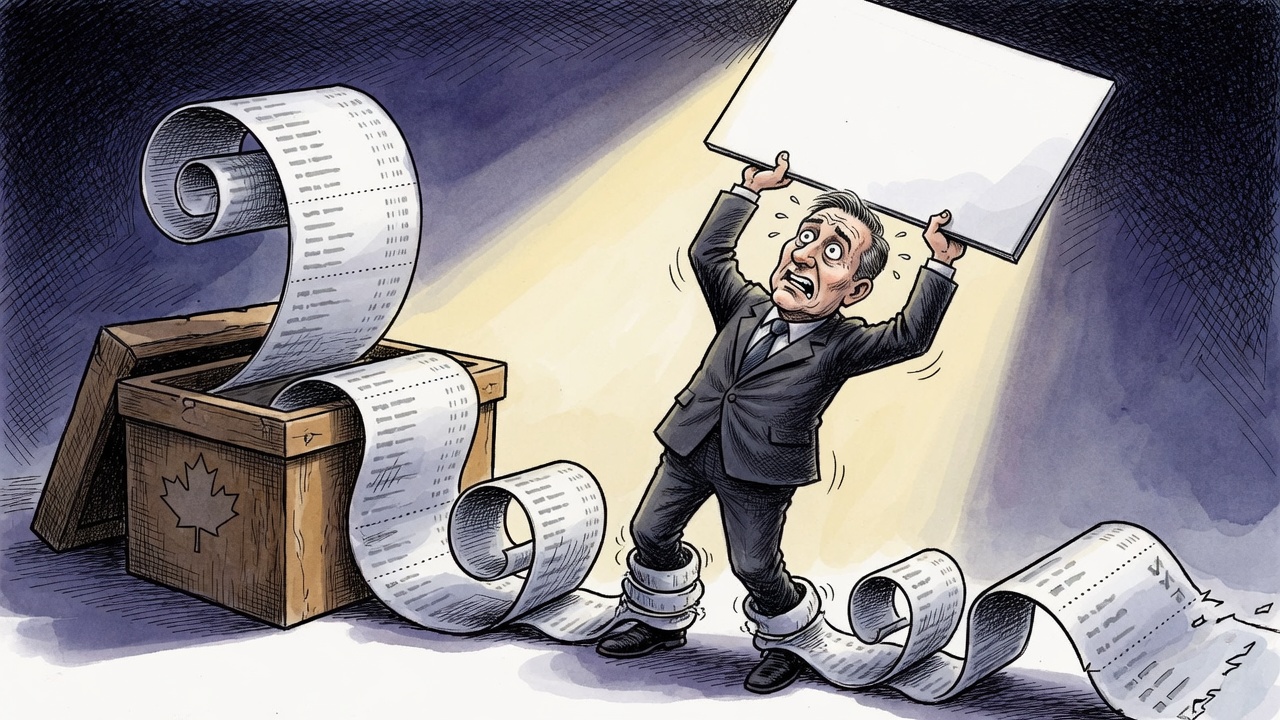
David Eby is asking British Columbians for a fresh mandate. That is the campaign message. The governing record is sitting in plain view.
BC Ballot’s David Eby page summarizes how he voted in the 43rd Parliament, from 2024 to dissolution, and lists 69 recorded bills and motions. It is a useful one-page receipt because it strips away the slogan layer. The question is not what Eby says in front of a campaign backdrop. The question is how he voted when the House divided.
Start with Bill 9, the Freedom of Information and Protection of Privacy Amendment Act, 2026. BC Ballot records Eby voting for it. The official bill text shows amendments dealing with request detail, response-time extensions, grounds to refuse disclosure or disregard requests, and connected-services data provisions. Those are not minor campaign footnotes. They go directly to how citizens, journalists and opposition MLAs can test a government’s claims against records.
The way Bill 9 passed matters just as much. Hansard for May 28 records Mike Farnworth telling the House that Bill 9 was a confidence measure. The vote then split 46 to 46. The Speaker cast the deciding vote in favour, explaining that because the bill had been declared a confidence matter, the confidence of the House should not be decided solely by the Chair. That is the kind of transparency record voters should remember before any party asks them to move on.
The fiscal receipt is just as direct. BC Ballot records that Eby voted for Bill 22, the Supply Act, 2026-2027, which appropriated $84.4 billion for the public service and $1.45 billion for financing transactions. It passed 46 to 45 on May 28. A one-vote budget authority is not abstract. It is the spending frame behind the government’s promises, priorities and deficits.
Then there is the Indigenous-policy ledger. BC Ballot records Eby voting for Bill 20, the K’ómoks Treaty Act, which passed 53 to 39 on May 28. It also records him voting against allowing introduction of a Declaration on the Rights of Indigenous Peoples Repeal Act on April 22. Voters can agree or disagree with those choices. What they should not do is let the campaign pretend those choices are invisible.
That is the value of a voting record: it is measurable. It does not settle every policy argument, and it should not be used to invent motives. But it does show where power was used when the stakes were real — on access to information, spending authority and DRIPA-related direction.
If Eby wants a fresh mandate, voters should start with the old receipts. The ballot is not a reset button for accountability. It is where accountability finally catches up.