96,238 Waiting for Surgery Is Not a Health-Care Victory Lap
The NDP can campaign on progress. The waitlist ledger tells voters what still has not been fixed.
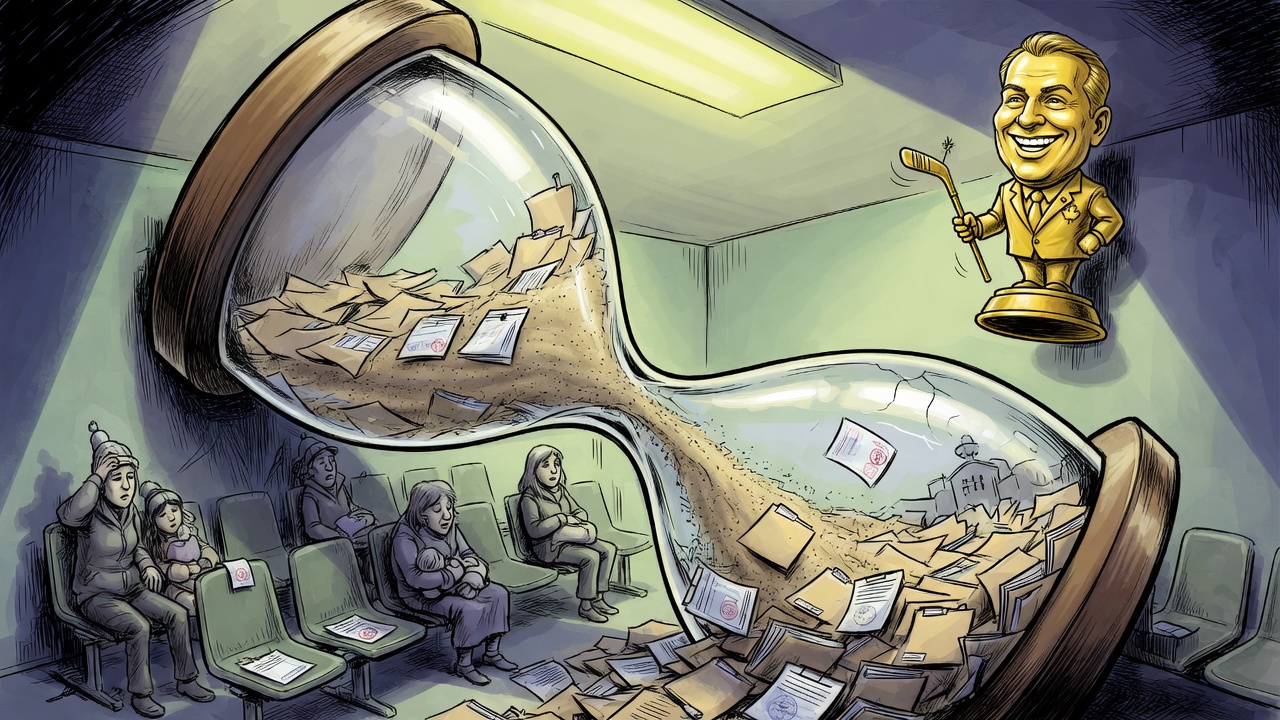
British Columbians do not need another health-care victory lap. They need a government willing to put its campaign claims beside the waitlist scoreboard and explain the gap.
On September 25, SecondStreet.org released new freedom-of-information figures on B.C.’s health system. Its release says 96,238 patients were waiting for surgery, 236,162 were waiting for a diagnostic scan, and 132,425 were waiting for a specialist appointment. Those are not abstract numbers. They are people waiting for answers, treatment plans, mobility, pain relief and, in some cases, the procedure that determines what happens next.
The same release says the surgery waitlist is up 8.4 per cent since the end of 2022. It also reports that health-region FOI responses showed 16,791 patients died while waiting for surgery or diagnostic scans since 2022-23, up 4,100 from last year’s report. SecondStreet notes Vancouver Coastal diagnostic data was not provided. That caveat matters, and so does this one: “died while waiting” does not prove the wait caused every death. But it is still a brutal warning sign for any government asking voters to applaud health-care management.
The NDP will point to investments, hiring, attachment programs and public dashboards. The province’s surgical wait-times site and the B.C. Surgical Patient Registry exist precisely because surgical access can and should be measured. PHSA says registry data supports planning, monitoring and evaluation of surgical resources and feeds the Ministry of Health’s public wait-time website. Measurement is not the problem. The problem is what the measurements show.
SecondStreet says 282,887 patients received benchmarked surgeries in 2025, and 98,545 of them — 35 per cent — waited longer than the benchmark. If more than one in three benchmarked patients missed the target, the government should stop treating access as a communications exercise and start treating it as a failed service guarantee.
Doctors of BC’s election priorities offer a measured professional warning. The association says progress has been made attracting physicians and strengthening primary care, but many people in B.C. still lack a family doctor and the system still needs better specialist access, virtual-care support, and safe, timely medical transport. That is not partisan heckling. That is the medical profession telling the next government where the pressure points remain.
Fairness requires acknowledging progress where it exists. Accountability requires refusing to let progress become a shield against the larger record. A patient waiting for a scan is not helped by a ministerial headline. A family waiting for surgery is not reassured by a press release if the benchmark has already been missed.
The election test is simple: if the NDP wants credit for managing health care, it must answer for the waitlists, the benchmark misses and the FOI numbers in the same frame. Do not call it a victory lap while patients are still trapped in the hourglass.