Eby’s Snap Election Put the ICBC No-Fault Review in Limbo
Before asking for a new mandate, Eby should explain what happens to the evidence and people left behind by a dissolved review.
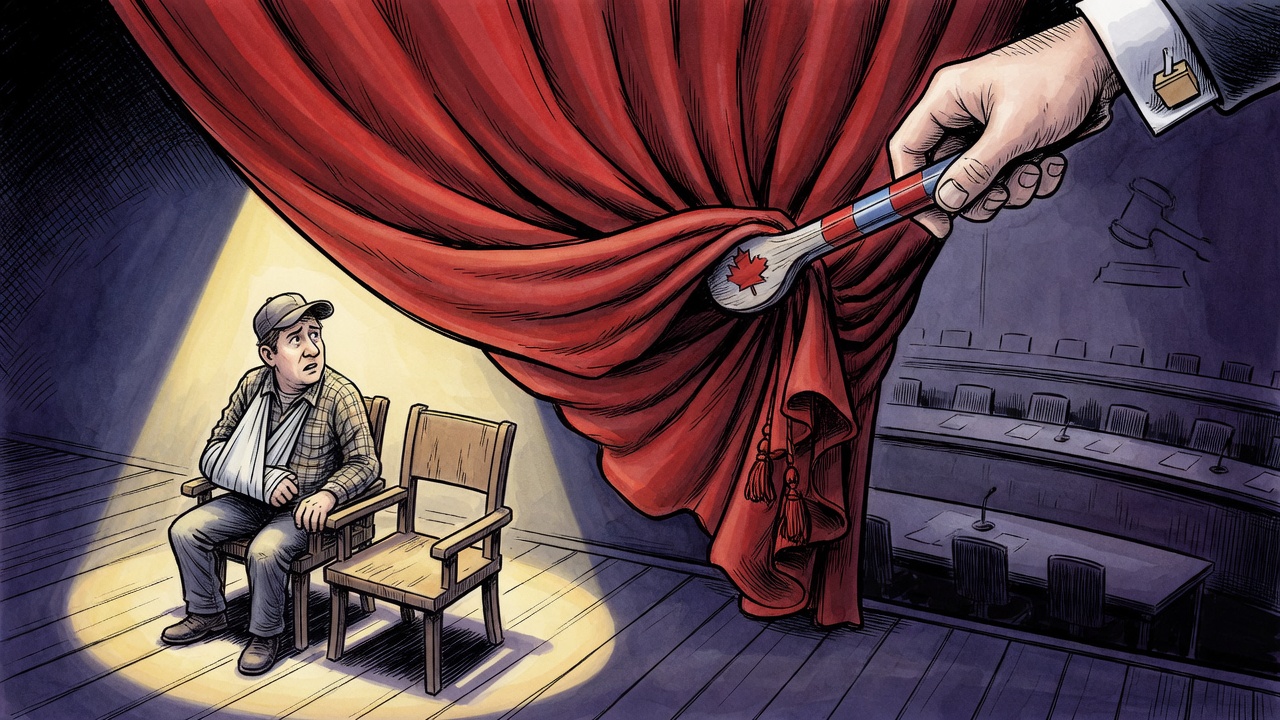
David Eby’s snap election did not just reset the political calendar. It also cut off a live accountability process into ICBC’s Enhanced Care model — the no-fault system that has shaped the lives of injured drivers and their families since 2021.
Global News carried a September 28 video item under the headline “Election call quashes all-party review of ICBC’s no-fault insurance.” CTV Vancouver Island, in reporting indexed the same day, said the legislative committee reviewing the model was dissolved by the provincial election, putting the review on pause and leaving participants uncertain. Those are claims from news organizations, not findings by this site; the key point is that the official legislative record supports the mechanism. The Legislative Assembly says it was dissolved on September 22, 2026, and that parliamentary committees cease to exist after dissolution.
This was not a surprise policy file pulled from nowhere. On February 19, 2026, ICBC said it supported a review of Enhanced Care after roughly five years of operation. ICBC’s own governance material also pointed to work with government on a comprehensive, independent review of Enhanced Care, with the stated goals of keeping rates affordable while improving care and rehabilitation services for injured people.
That makes the election timing more than inside-baseball procedure. If British Columbians were invited to participate in a review, if injured people prepared submissions, and if the Crown corporation itself said the model was ready for scrutiny, then the premier owes voters more than campaign slogans about why the curtain suddenly came down.
The review should not be treated as a disposable committee exercise. Enhanced Care affects compensation, rehabilitation, litigation rights, premium politics and public trust in a monopoly Crown insurer. Supporters argue the model controls legal costs and keeps rates down. Critics allege it leaves some seriously injured people without enough recourse. Those competing claims deserve evidence, public testing and a report voters can read — not a process stranded by a campaign call.
Elections BC says the writ was issued on September 22, nominations close October 3, and final voting day is October 24. That confirms the review interruption is tied to the campaign period, not some distant procedural footnote. A new legislature may choose to restart committee work, but British Columbians have not been given a clear restart date, scope, witness plan or deadline for a public report.
So here is the test for Eby and the NDP: will they commit, before ballots are counted, to restore the ICBC no-fault review with the same or stronger powers, protect the evidence already submitted, hear from injured people in public, and table findings on a fixed timeline?
Until that answer is on the record, the message is brutal: the government asked injured British Columbians to trust a review, then pulled the election lever before the review could finish its work.
Sources and records
- Global News: Election call quashes all-party review of ICBC’s no-fault insurance
- CTV Vancouver Island via Head Topics mirror/snippet: election pause puts no-fault review in limbo
- Legislative Assembly of B.C.: committee page and dissolution notice
- ICBC: Enhanced Care review support, February 19, 2026
- ICBC: corporate governance, service plans and mandate materials
- Elections BC: 2026 provincial election key dates