Eby Made B.C. Vote Twice in Eight Days. Voters Pay the Confusion Tax.
Local government elections are set for October 17. The provincial election is October 24. David Eby’s snap-election choice has turned voter attention into a scarce resource.
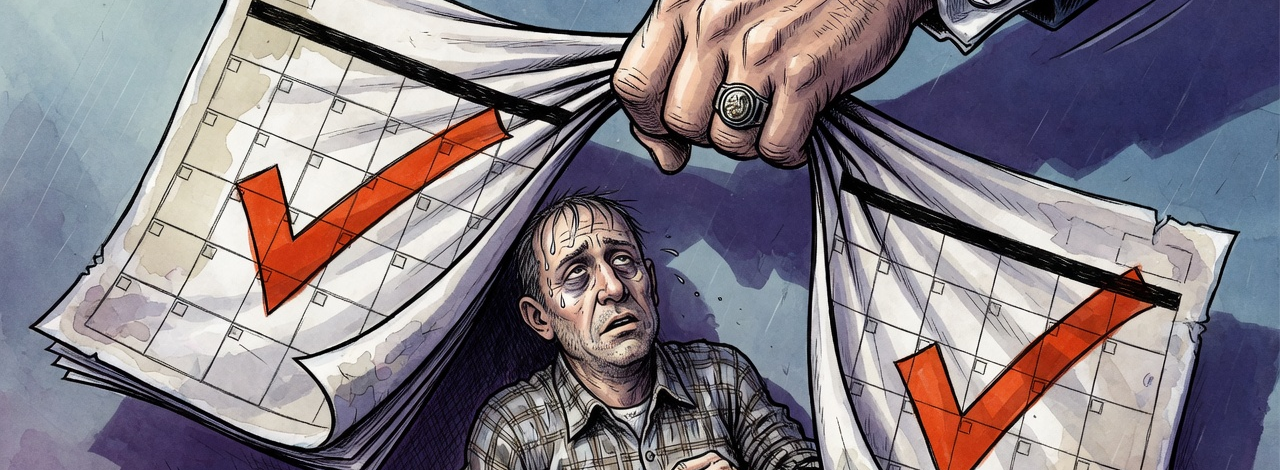
British Columbians are now inside the problem David Eby was warned about. Local government elections are scheduled for October 17. The provincial election follows on October 24. That is two democratic decisions in eight days, with municipal councils, school boards and provincial government all competing for the same voter attention span.
Canadian Press, carried by Global News on October 10, laid out the practical collision. The local elections will choose mayors, councillors, school-board trustees and other local officials. One week later, the provincial ballot will choose 93 MLAs and decide the next premier. Those are not minor administrative chores. They are two separate accountability moments, each deserving scrutiny.
Elections BC told CP it had not weighed the outcomes or impacts of the dual elections because the provincial campaign was not finished. That is an important limit: voters should not pretend an official post-campaign study already proves measurable harm. But voters also do not need a completed impact report to see the burden. Campaign signs, all-candidates meetings, local platforms, provincial promises, advance-voting reminders and get-out-the-vote messages are all hitting at once.
The democratic warning was already on the record. Michael MacKenzie of Vancouver Island University told CP the overlap is bad for democracy and noted that municipal elections already tend to suffer from very low turnout. That is an expert assessment, not a partisan slogan. When local elections are already the harder sell, burying them under a provincial campaign is not civic housekeeping. It is a choice with consequences.
Local leaders warned Eby before this became the calendar voters are living through. Northern Beat reported that Union of B.C. Municipalities delegates passed an emergency resolution urging the premier not to call a provincial election during the local-government race. UBCM president Cori Ramsay warned the overlap would mean less scrutiny and accountability. Eby pulled the lever anyway.
That is the point. The premier did not cause local democracy to be complicated. He made it more complicated at the exact moment voters were supposed to compare local candidates on policing, taxes, zoning, schools, roads, development and community services. Then he asked those same voters to judge his government’s record on health care, affordability, housing, debt, crime and trust.
The NDP sold the snap election as necessary stability. The lived result is confusion, compressed scrutiny and voter fatigue. If Eby believed there was an urgent public interest that justified crowding two elections into eight days, he should name it plainly before either ballot is counted. Otherwise, British Columbians are being asked to pay a confusion tax for a political calendar he chose.