Eby’s Hidden Land-Transfer File Belongs in the Open
A confidential land-transfer and forest-compensation file is now an election accountability test.
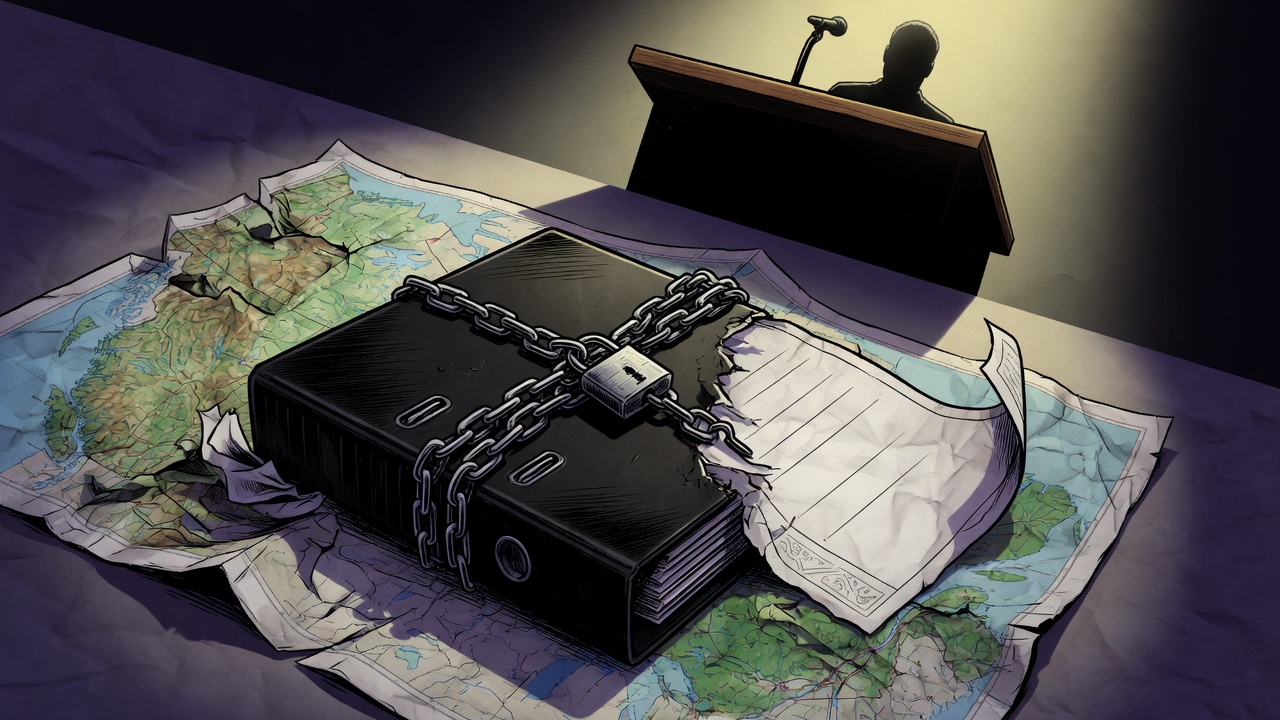
British Columbians are being asked to judge David Eby’s record while a major land-transfer file is still being described through confidential documents, restricted briefings and after-the-fact explanations. That is not good enough for an election campaign.
Northern Beat columnist Rob Shaw reported Thursday that confidential briefing documents dated September 10 described roughly 400 Crown-land parcels committed for transfer through treaty and reconciliation agreements. The same report said the package was marked confidential and that some participants who saw the material had to sign non-disclosure agreements during the election period.
CityNews, carrying Canadian Press reporting, put the government’s defence on the record later the same day. Eby said the proposal was about saving public money by limiting compensation to forest companies when Crown land with timber rights is transferred to First Nations. The report also said the draft plan was not in the NDP platform and that forest companies had to sign NDAs to see the material.
Global News added the evening response: the NDP said cabinet had not approved legislation, but had authorized engagement on options. Global also reported that the work was paused when the election was called and that forestry companies were briefed under NDAs.
Those distinctions matter. Engagement is not enacted law. A paused file is not a cabinet-approved bill. But those caveats do not answer the central public-interest question: why should voters be asked to assess the government’s land, forestry and reconciliation agenda without seeing the specific parcels, affected tenures, compensation formula and legal consequences?
This is not an argument against reconciliation agreements. It is an argument against hiding material election information behind confidentiality when Crown land, timber rights, provincial finances and rural economies are all implicated. The government can say the proposal is fiscally prudent. The public still has the right to see the ledger.
The clean test is simple. Publish the parcel list. Publish the tenure-impact analysis. Publish the draft compensation framework. Publish the NDA terms and explain who signed them, when, and why election-period confidentiality was necessary. If the government believes the framework is defensible, it should be able to defend it in daylight.
Until then, Eby is asking voters to trust a platform that reportedly left out a file significant enough to require confidential briefings. In a province already fighting over land-use rules, forestry uncertainty and DRIPA implementation, trust is not a substitute for documents.