Eby’s Okanagan Mandatory-Care Promise Needs Beds, Staff and Dates
The BC NDP has named the Okanagan Correctional Centre. Now voters need the treatment plan: bed count, staffing, operating budget, legal criteria and opening date.
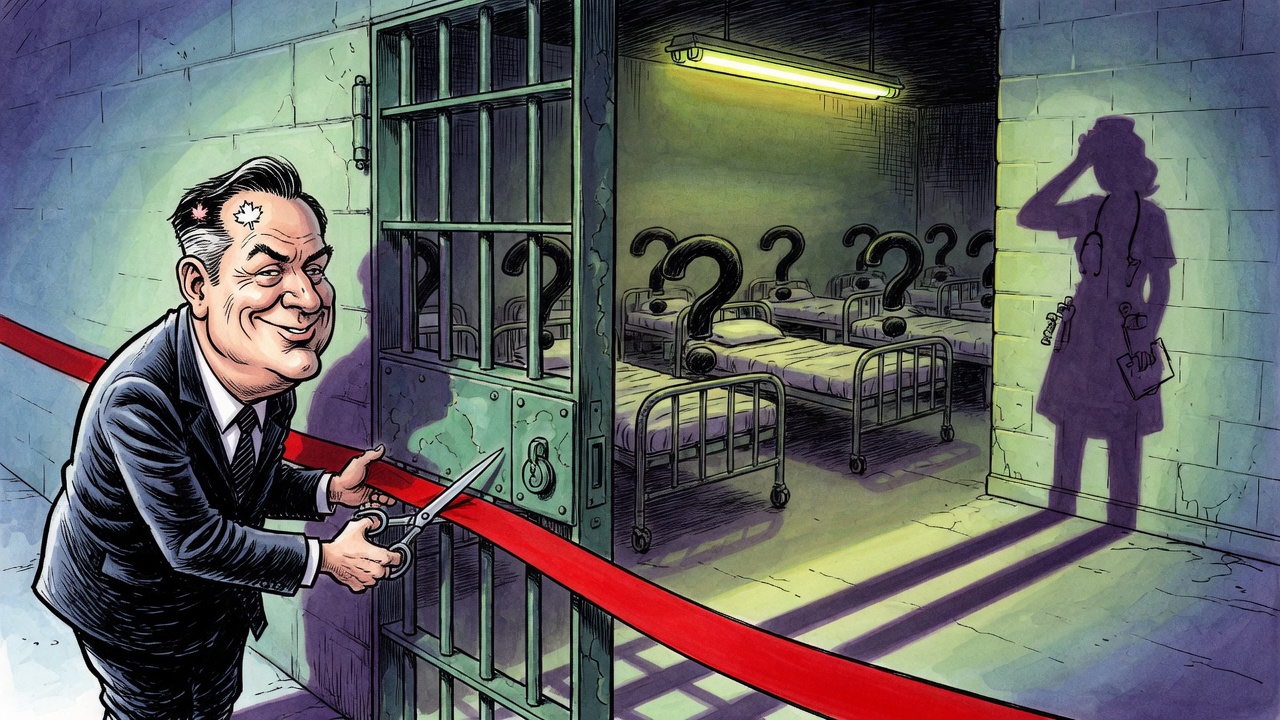
The BC NDP’s new Okanagan mandatory-care announcement is a political headline wrapped around an unfinished delivery plan. Global News reported October 16 that the party says it would invest up to $90 million, if re-elected, to establish involuntary-care beds at the Okanagan Correctional Centre in Oliver.
The need is real. Families across B.C. are dealing with severe mental illness, addiction, acquired brain injuries, street disorder and public-safety fear. Local leaders in the Okanagan have already pushed the province to use the underutilized correctional centre for treatment and recovery. Castanet reported in April that multiple Okanagan elected officials and First Nations leaders signed a letter urging that conversion; the same report said the centre opened in 2016, cost about $200 million and has capacity for 378 inmates.
That history makes today’s announcement less a breakthrough than a receipt. If the building was there, the pressure was there and local leaders were asking months ago, voters are entitled to ask why the concrete plan is still missing during the campaign.
The NDP says the Oliver site would join a provincial network of involuntary-care centres for people with severe mental-health and addiction challenges, along with complex brain injuries. Global reported that centres are already operating in Surrey and Maple Ridge, with new facilities set to open in Surrey and Prince George. But the Oliver promise, as reported, still leaves out the essentials: how many beds, what level of medical supervision, which health authority will staff them, how many psychiatrists and nurses are required, what security model will apply, what the annual operating cost will be, and when patients could actually enter care.
The legal ledger matters too. Global also noted that in July the B.C. Supreme Court found sections of B.C.’s involuntary-care rules unconstitutional. The lawsuit challenged treatment powers rather than involuntary admission, but that distinction does not erase the election question. Before government expands secure care, voters deserve the revised legal test, consent rules, review process, patient-rights safeguards and clinical criteria in plain language.
None of this argues for doing nothing. It argues against pretending that a named facility and a dollar ceiling are the same as treatment capacity. A serious plan would say how the Oliver beds connect to detox, voluntary treatment, longer-term recovery, housing, Indigenous-led services and community follow-up. It would also show how the province will recruit scarce health-care workers without hollowing out existing hospital and mental-health services.
Eby has found a sign to stand in front of. Now he owes British Columbians the ledger behind the sign: beds, staff, dates, law and outcomes. Anything less is a campaign announcement where a treatment system should be.