Eby’s Snap Election Caught OneBC Mid-Build
Snap elections reward prepared machines. The newest OneBC report shows what happens when a government starts the clock while a rival party is still assembling candidates.
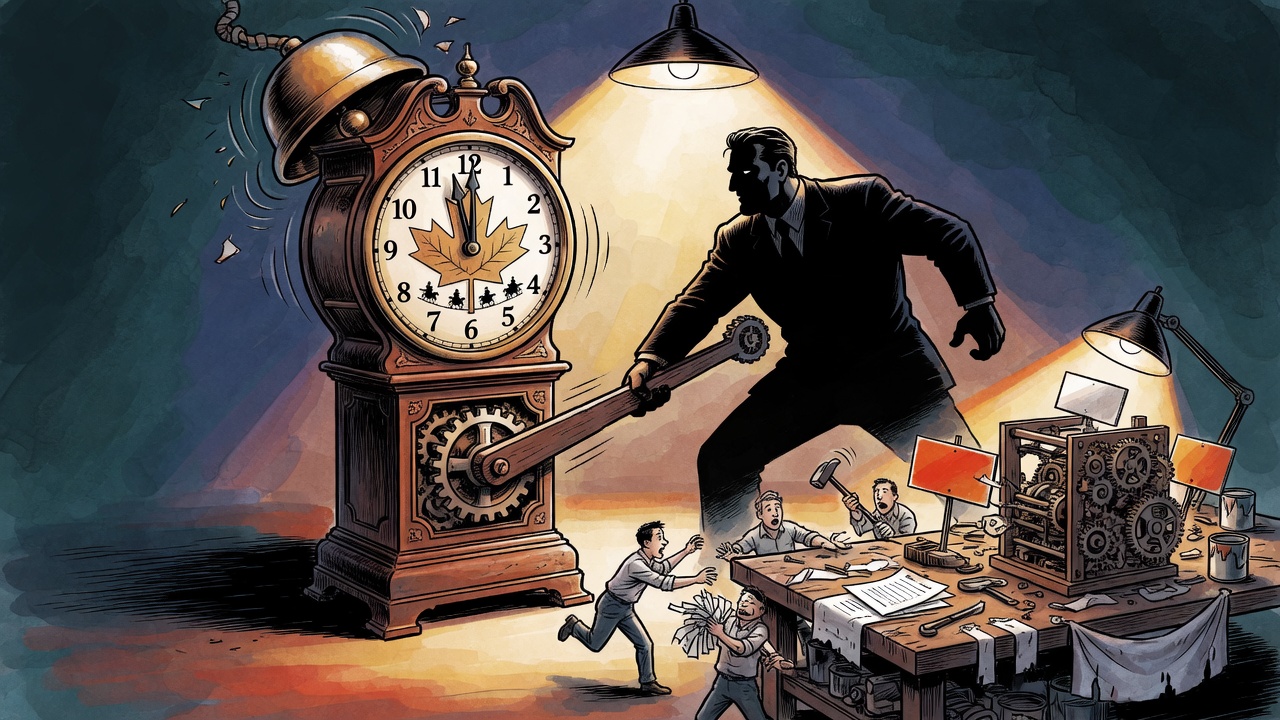
David Eby’s October election is not just a date on a calendar. It is a test of who was ready when the starting gun went off.
Canadian Press, in a September 24 report carried by CKPG, says OneBC failed to gain official party status in the B.C. legislature before the provincial election was called. The report says Conservative defector Brent Chapman announced a move to OneBC about an hour before the election call, but the clerk’s office said he had not advised the Speaker or clerk before dissolution. The result: no change to party standings before the legislature shut down for the vote.
That is not a small process footnote. Official status and public recognition shape how parties are seen, how quickly they organize, and how voters understand the ballot. Elections BC’s political-parties page still lists One BC among four major parties represented by MLAs in the legislature, and the party is registered. But the CP report makes the narrower point: the legislature-status window closed before the paperwork changed the standings.
Brodie’s own claim should be treated carefully. CP reports that she said in a social-media video that OneBC was “overwhelmed” with more than 300 people who had signed up to be candidates, with donations and members coming in. That is a claim from the party leader, not a certified candidate list.
The certified clock is Elections BC’s. Writs have been issued for all 93 electoral districts. Final voting day is Saturday, October 24, 2026. Elections BC’s key dates say candidate nominations close at 1 p.m. Pacific time on October 3. That gives every party a compressed window to turn interest, paperwork, vetting and local organization into actual ballot names.
For voters, the accountability issue is bigger than OneBC. Snap elections reward incumbents, established machines and parties with ready-made teams. They punish smaller or newer organizations that are still building riding operations, screening candidates and translating public attention into verified nominations.
Eby can argue he wants a fresh mandate. Fine. But British Columbians can also ask who benefits when the writ drops before an opposition party finishes organizing itself. The answer may not decide the election, and no one should pretend the ballot impact is known before nominations close. What is known is the sequence: the election was called September 22, the OneBC status change did not land before dissolution, and the nomination deadline is now rushing toward October 3.
That is the hard lesson of Eby’s snap-election clock. Democracy is not only about the final voting day. It is also about whether voters get a fair, fully formed field before they are asked to choose.