Eby Pulled the Election Lever Before His Own Candidate Slate Was Full
The premier chose the snap-election clock. The candidate clipboard is now part of the accountability test.
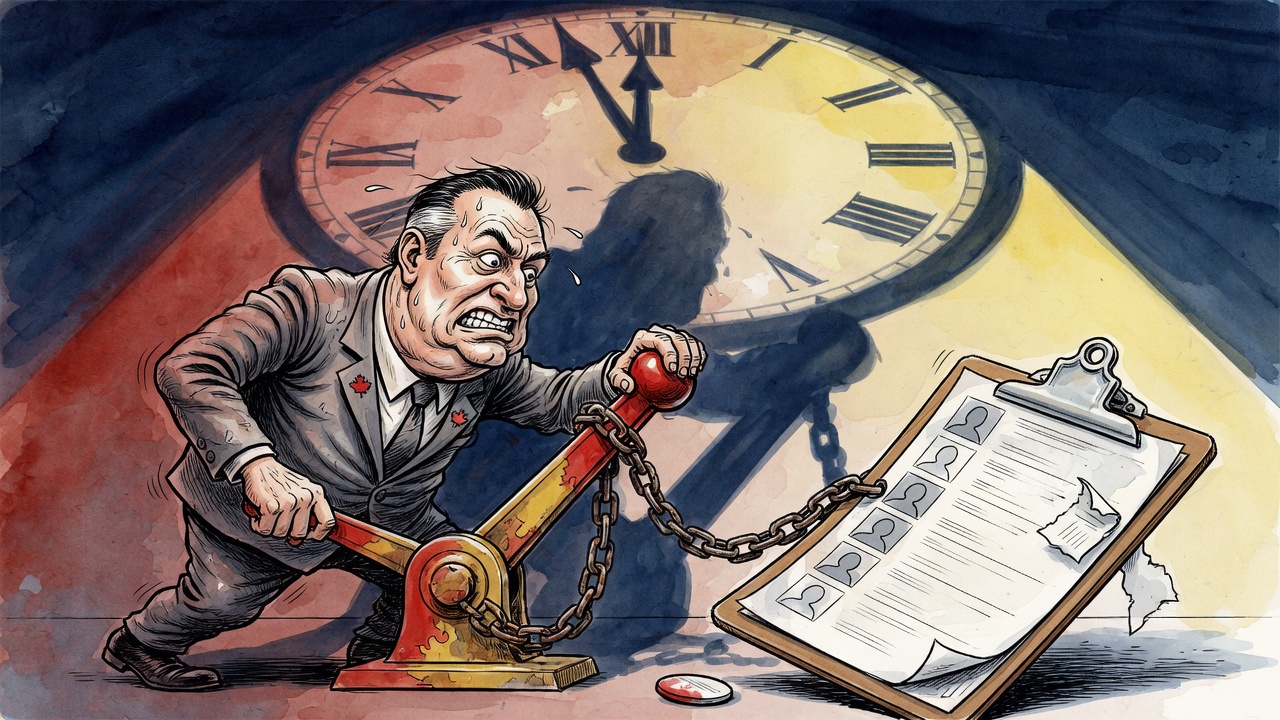
David Eby did not inherit this election calendar. He chose it.
Elections BC says the 2026 provincial general election was called on September 22, with final voting day set for October 24. Voters will elect 93 MLAs. The same official calendar says candidate nominations close at 1 p.m. Pacific on Saturday, October 3.
That makes the candidate slate a fair test of judgment. As checked September 27, BCPoliTracker’s party panel showed the BC NDP at 60 candidates out of 93 ridings. The tracker is not Elections BC, and Elections BC properly warns that its own candidate list only shows nomination papers accepted by the agency, not every person publicly declared by a party. But the political point remains: after the premier started the province-wide clock, the governing party was still visibly filling the clipboard.
Western Standard’s day-six campaign digest sharpened the issue. It reported that the New Democrats spent Saturday promoting the “Built in B.C. and Canada” plan, the unsold-condo tax, and attacks on Conservative leadership stability, while the party did not name a single candidate that day. The same report said a party source pushed back, saying the NDP already had candidates set for all 93 ridings and that recruitment concerns were exaggerated. That claim may prove true. If it is true, the NDP can settle the question by rapidly putting complete, accepted nomination records in front of voters.
Until then, the accountability question is unavoidable. Snap elections reward organization. They punish voters when parties spend precious campaign days clarifying who is actually on the ballot rather than debating what those candidates would do in office.
The empty-chair problem is not only local. Global News reported on September 23 that Brenda Bailey had become the fourth minister from Eby’s former cabinet to say she would not seek re-election, joining Ravi Kahlon, Lana Popham and Kelly Greene. Cabinet departures do not prove campaign disorder, and health or family decisions deserve basic decency. But four ministerial exits in the same campaign season add weight to the question of whether Eby’s team was truly election-ready when he asked British Columbians to vote early.
This is the hard edge of the snap-election gamble. Eby can argue the province needs a fresh mandate. Voters can answer with a simpler standard: a premier who picks the date should arrive with the machinery ready. Not almost ready. Not privately assured. Ready enough that every community can see who is asking for its trust before the nomination deadline bears down.