Eby’s Relief Cheque Has Turned Into a Tax Ledger
The promise was household relief. The governing record now asks voters to read the receipts: a higher first tax bracket, frozen indexation, a paused child-care fund and hundreds of thousands still waiting for primary-care matching.
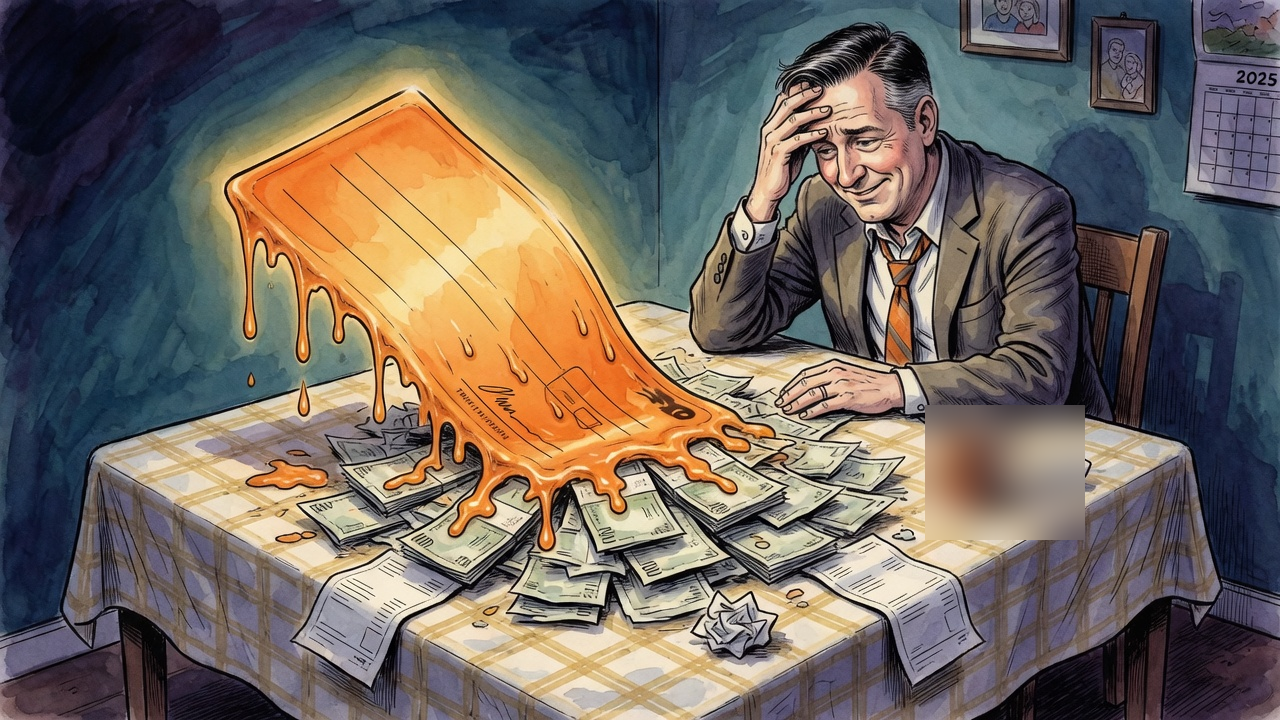
Two years after David Eby campaigned on $1,000-a-year household relief, the receipts look very different from the slogan.
The BC NDP’s September 29, 2024 release said Eby would deliver a $1,000 tax cut for the average family every year, starting the next year. It said the plan would exempt an additional $10,000 of individual income from provincial tax and give more than 90% of British Columbians a benefit. The party’s own platform highlights put it even more plainly: $1,000 in the wallets of 90% of B.C. households every year, with a first-year rebate of $500 for individuals or $1,000 for households.
Now put that beside Budget 2026. The Province’s budget materials say the first personal income-tax bracket rate rose from 5.06% to 5.60% for 2026. The official tax-rate page also says bracket indexation is paused for the 2027 through 2030 tax years. Government notes it increased the B.C. tax reduction credit, but that does not erase the plain political problem: the campaign was sold as broad middle-class relief, and the budget record includes a higher first-bracket rate plus a four-year freeze in bracket movement.
That is why Peter Milobar’s October 3 Conservative BC release landed on a real vulnerability. His partisan framing should be treated as partisan framing. But the audit does not depend on taking his word for it. The NDP promise is in NDP documents. The tax change is in government documents. Voters can read both.
The same pattern shows up beyond income tax. In 2024, Eby promised $500 million in capital over two years to build tens of thousands more child-care spaces. The Province’s ChildCareBC New Spaces Fund page, updated in 2026, says ChildCareBC entered a stabilization period and that this includes a pause on the New Spaces Fund program. The page also says more than 42,200 new licensed spaces have been funded since 2018, with more than 27,700 open, so the record is not zero. But “pause” is still not the expansion pitch families heard.
Health care belongs on the same ledger. A September 2026 B.C. government health release says 323,000 people were registered with the Health Connect Registry. That figure is not the entire story of unattached patients, and the registry is meant to match people with a family doctor or nurse practitioner. Still, it is a hard official measure of continuing demand after years of promises that access would be fixed.
Campaigns are easy when every promise is framed as relief arriving soon. Governing is harder because budgets, tax tables, program pauses and waitlists create a paper trail. On this file, the paper trail is the story: Eby sold a household cheque. B.C. families are being handed the ledger.
Sources and records
- BC NDP: David Eby to deliver $1,000 a year household relief
- BC NDP platform highlights PDF
- B.C. government: Budget 2026 tax changes
- Province of B.C.: personal income tax rates
- Province of B.C.: ChildCareBC New Spaces Fund
- B.C. government: Health Connect Registry update
- Conservative BC: Milobar release, October 3, 2026