Doctors and Nurses Just Handed Eby the Health-Care Ledger
The campaign claim is more health-care workers. The front-line ledger is waitlists, ER pressure, rural gaps and unsafe workplaces.
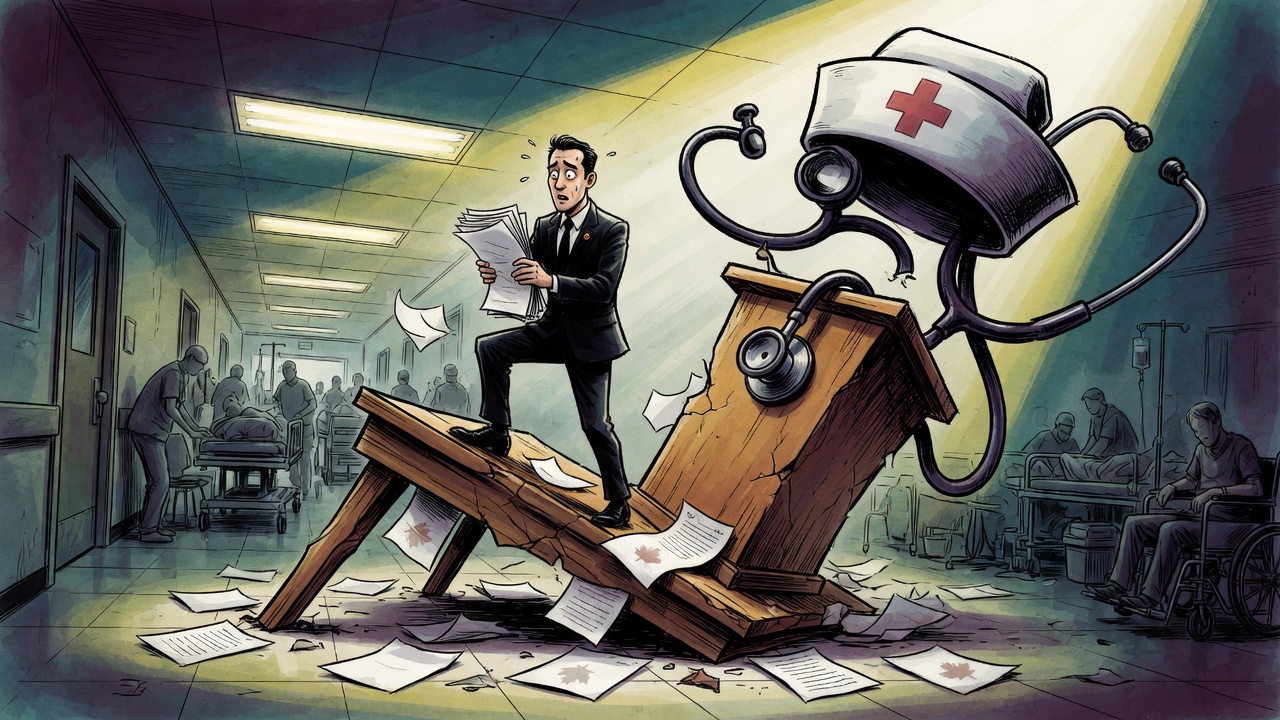
David Eby opened the BC NDP campaign saying his plan would strengthen public services and recruit more health-care workers. That is the claim. The harder ledger now comes from the people who work inside the system.
Doctors of BC released its 2026 provincial election priorities on September 24, saying physicians see both progress and “significant challenges” in B.C. health care. It identified four areas where action and investment are still needed: specialist waits and shortages, primary care, emergency care, and rural health care.
The specialist warning is blunt. Doctors of BC says specialist waitlists grew by 10% in one year, with waits exceeding 12 months in several specialties. That means delayed care for patients and more pressure across the system. A government cannot turn that into a victory lap by pointing only to recruitment announcements.
Primary care remains another test. Doctors of BC says progress has been made attracting physicians and strengthening primary care, but many British Columbians are still without a family doctor. Its stated needs include continued recruitment and retention of family physicians, reduced administrative burden, and the teams and resources doctors need to provide comprehensive, continuous care.
Emergency rooms are not a side issue; they are the public’s last-resort access point. Doctors of BC says population growth, workforce shortages, hospital capacity pressures and system gaps are putting significant strain on emergency departments, resulting in long waits and even temporary closures. In rural and remote communities, the association points to physician shortages, temporary ER closures, limited specialty access and long distances between services without adequate patient transport.
BCNU’s October 1 Mental Health Awareness Month update adds the workplace-safety ledger. The union says findings from more than 1,300 psychological-health self-check charts identified psychosocial hazards contributing to psychological harm. The top concerns it lists are staffing and workload pressures, verbal violence, and physical workspace pressures, including hallway beds and overcrowding.
Those are not abstract management terms. They describe a system where patients wait, nurses absorb the anger, doctors fight bottlenecks, and rural families calculate whether the nearest open emergency department is in another community. Eby’s campaign can claim momentum. Doctors and nurses are describing the conditions momentum has not fixed.
The fair voter test is simple. Before accepting another health-care promise, ask for measurable answers: how many fewer people waiting more than a year for specialists, how many more attached patients, how many fewer emergency closures, how many rural transport gaps closed, and how many fewer nurses reporting unsafe workplace hazards. If the government wants credit for progress, it should accept accountability for the ledger front-line professionals have put in writing.