The Next FOI Fight Is a Large-Volume Stopwatch
After Bill 9, B.C.’s access-to-information referee is testing a new framework for large FOI files. The public should watch whether “large volume” becomes a clear timeline — or another bottleneck.
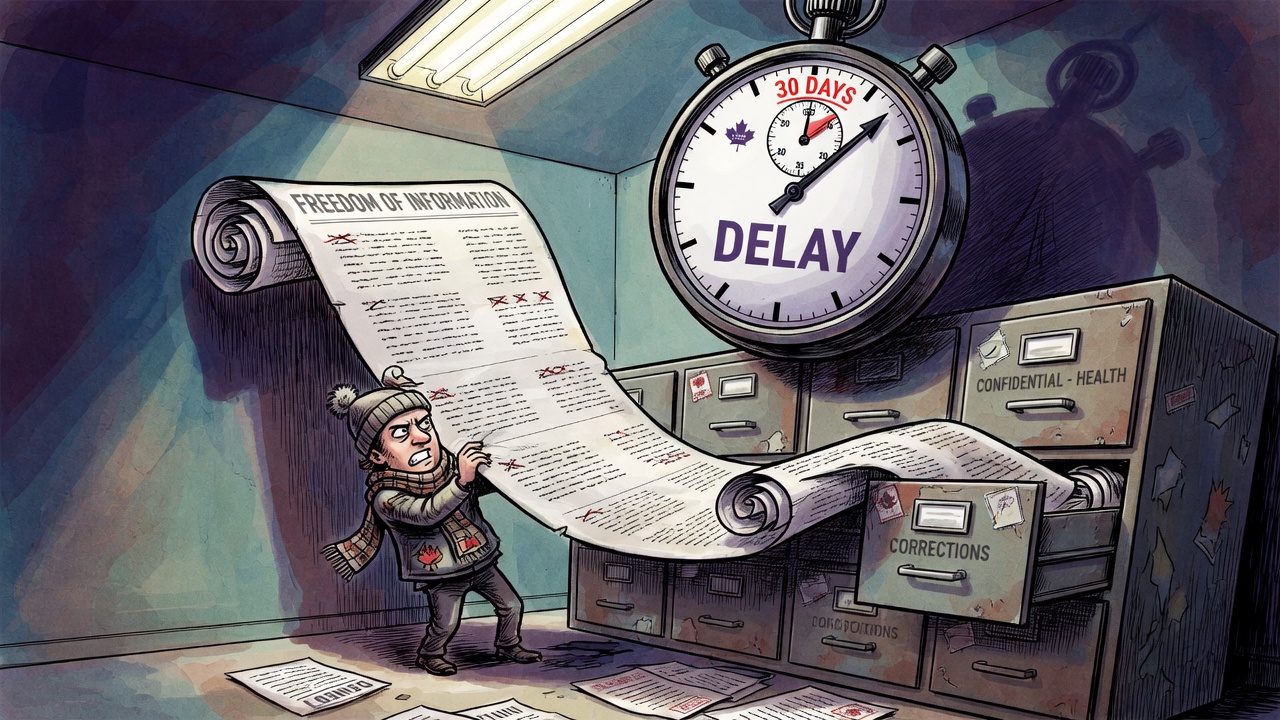
The next transparency fight in British Columbia may not look like a dramatic bill debate. It may look like a stopwatch.
On September 9, the Office of the Information and Privacy Commissioner for B.C. announced a consultation on large-volume freedom-of-information requests. OIPC says the consultation is about the experiences applicants and public bodies have when FOI files involve very large record sets. Its release says FIPPA requires requests to be fulfilled within 30 business days unless exceptions apply, and that large files, sometimes running into thousands of records, are one ground public bodies can use to request a time extension.
OIPC is not the NDP government, and this should not be twisted into an allegation that the commissioner is covering for anyone. The commissioner’s office says the interim framework is meant to be more transparent for applicants, reduce uncertainty, and shift effort from extension administration toward getting records into applicants’ hands. That is the stated purpose, and it is a legitimate administrative problem.
But the political context matters because the Eby government already forced B.C. through Bill 9, the Freedom of Information and Protection of Privacy Amendment Act, 2026. The official bill text amended Section 43 to add grounds tied to abusive or malicious behaviour, unreasonable interference with public-body operations, repetitious or systematic requests, and excessively broad requests. BC Ballot records that Bill 9 passed on May 28 by a 46-to-46 tie, with the Speaker breaking the tie in favour.
That is why “large volume” deserves scrutiny now. Many important accountability requests are large because government is large. Hospital staffing records, procurement files, ministerial calendars, overdose-response documents, housing memos and Indigenous-consultation records can all be complicated. A request should not be punished merely because the underlying government file is messy, sprawling or politically inconvenient.
The fair test is simple. If the interim framework produces clearer timelines, phased releases where possible, and honest status updates, it can help applicants. If it becomes a practical excuse to slow, narrow or exhaust difficult requests, it will deepen the Bill 9 trust problem.
OIPC says it is seeking information from public bodies about response times and extension frequency, and from applicants about their experiences. Good. The people who use FOI — journalists, citizens, watchdogs, lawyers, researchers and opposition MLAs — should treat that invitation seriously. The safeguards should be written around the public’s right to know, not around bureaucratic comfort.
David Eby’s government does not get to campaign as transparent while hiding behind a system voters cannot test. The records belong to the public. The stopwatch should serve the requester, not the secrecy machine.