The Decriminalization Pilot Ended. Eby Still Owes the Safety Ledger.
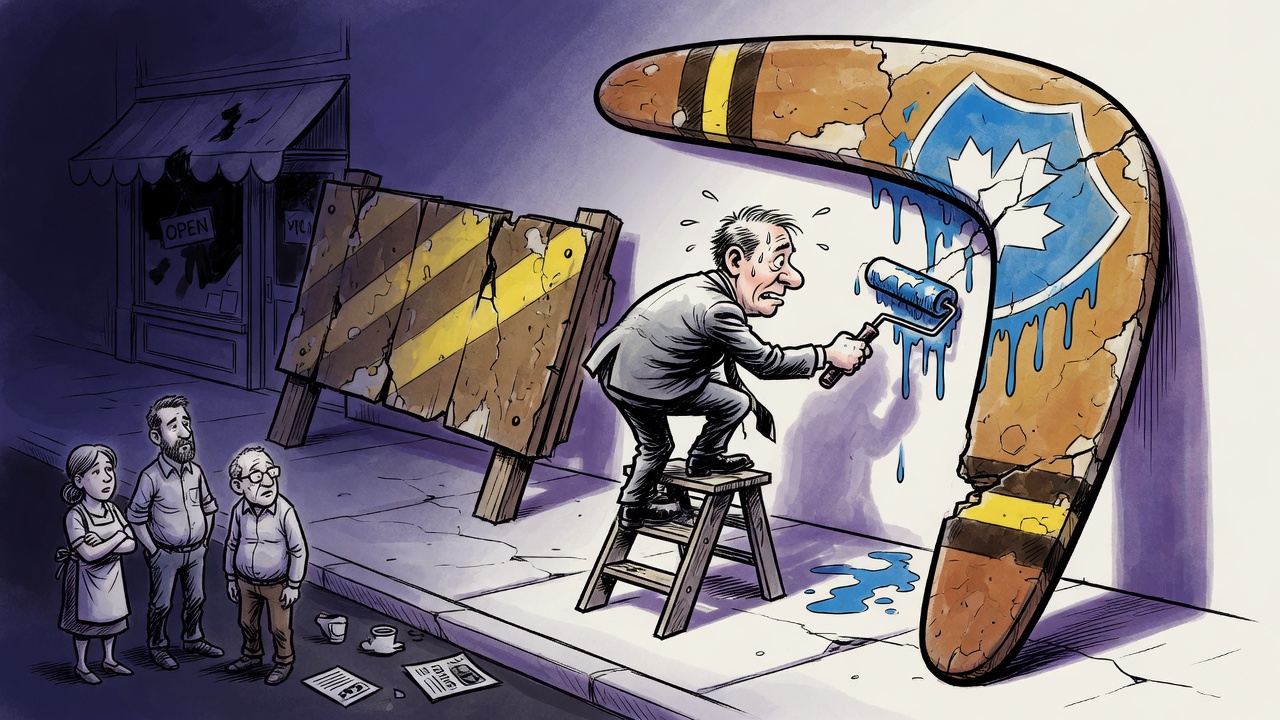
The official record is not a clean victory lap. It is a timeline: launch, public-space concerns, rollback, expiry, and a campaign fight over who can restore order.
The Conservative Party of BC’s October 6 “Safe Streets For BC” plan is a campaign document and should be read as one. It promises more police in hard-hit neighbourhoods, expanded psychiatric and treatment services, 250 more police officers through JIBC expansion, 500 more RCMP officers and 150 civilian staff over five years, 50 new Crown prosecutors, and public reporting on repeat offending, bail compliance, court delays, treatment access and recovery results.
But the issue is bigger than one opposition release. The official decriminalization timeline already tells voters a story of reversal. Health Canada announced in 2022 that B.C. would receive a three-year exemption under the Controlled Drugs and Substances Act, effective January 31, 2023 to January 31, 2026. Adults would not face criminal charges for personal possession of small amounts of certain illegal drugs, while the substances remained illegal and police were expected to offer health and social-support information.
By May 2024, Health Canada’s own backgrounder said B.C. municipalities, law enforcement officials, health-sector workers and community members had raised concerns about increasing public drug use and limited enforcement tools. After B.C. asked for changes on April 26, 2024, the federal government granted a request to prohibit possession of controlled substances in public spaces, while maintaining exemptions in places such as private residences, designated health-care clinics, lawful sheltering locations and overdose-prevention or drug-checking sites.
Now the B.C. government’s current decriminalization page says the pilot was intended to make it easier for people struggling with addiction to come forward for help, but that the exemption expired on January 31, 2026 and will not be renewed. That is not a small footnote. It is the government’s own end point to a signature drug-policy experiment.
The public-safety evidence is not just partisan either. A January 2026 Canadian Federation of Independent Business release said more than half of B.C. small businesses reported crime had worsened in their communities, nearly eight in ten said governments were not working well together on public safety, and 60 per cent were concerned about the safety of owners, staff and customers because of crime and community-safety issues.
BCCDC’s public-health guidance argues for a broad response that includes housing, overdose-prevention services, treatment, harm reduction, social supports and local partnerships. That matters: addiction policy should not be reduced to slogans. But neither should community safety be reduced to promises made after a rollback.
Eby’s government should publish the ledger before asking for trust again: public drug-use complaints, police enforcement outcomes, diversion-to-care numbers, treatment wait times, repeat-offender data, small-business safety impacts, and whether the 2024 public-space rollback changed conditions on the ground. Voters do not need another sign that says “safe streets.” They need the receipts for the policy that just ended.
Sources and records
- Conservative Party of BC: Safe Streets For BC, October 6, 2026
- Government of B.C.: Decriminalizing people who use drugs in B.C.
- Health Canada: B.C. receives decriminalization exemption, May 31, 2022
- Health Canada: May 2024 backgrounder on B.C. exemption changes
- BCCDC: Decriminalization in B.C.
- CFIB: B.C. businesses say crime is driving fear, costs and silence, January 20, 2026