Eby’s ICBC Coupon Can’t Hide the No-Fault Ledger
A basic-rate freeze is a clean campaign line. The unresolved file is harder: Crown-corporation reserves, regulator timing, Enhanced Care limits and the rights of injured British Columbians.
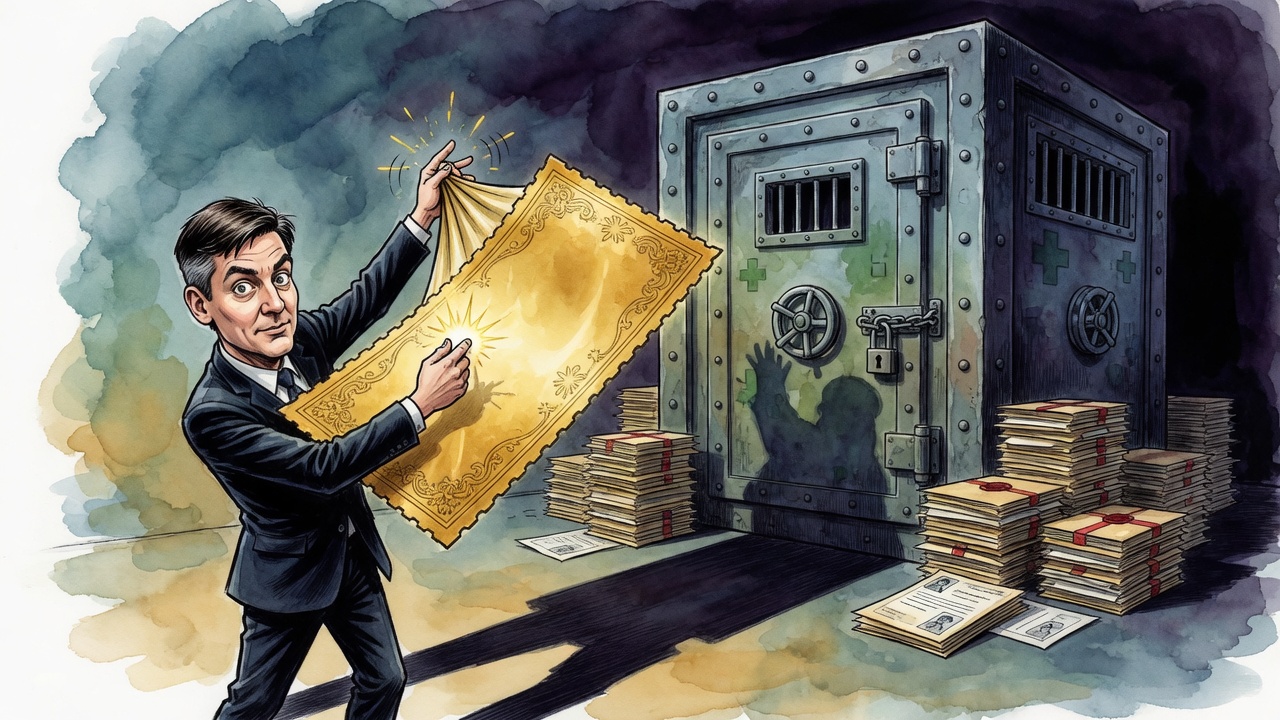
David Eby wants voters to see the ICBC promise as simple household relief: freeze basic car-insurance rates and point to savings. The harder question is whether British Columbians are being shown the full Crown-corporation ledger.
Global News reported on October 8 that Eby promised to freeze basic car-insurance rates for three years if the BC NDP is re-elected, while the campaign debate also turned to the future of the no-fault model introduced in 2021. That matters because ICBC is not just another campaign prop. It is a compulsory public insurer, and basic rates are normally tied to regulator filings, actuarial assumptions and the corporation’s capital position.
ICBC’s own public BCUC page says basic insurance rates are regulated by the British Columbia Utilities Commission. It also says the next Revenue Requirements Application deadline is December 15, 2026, and notes earlier no-increase decisions. Voters should not have to infer the numbers from a podium line. If a three-year freeze is prudent, the campaign should show the assumptions: projected claims costs, investment-income sensitivity, capital-reserve targets and what happens if repair costs, injury severity or crash frequency move the wrong way.
The affordability claim also cannot be separated from Enhanced Care. ICBC says the model was launched on May 1, 2021, reduced legal costs, and helped hold rates stable. ICBC also says that under Enhanced Care it is generally no longer possible to sue for compensation except in limited circumstances, with disputes often routed through the Civil Resolution Tribunal. That is not a minor footnote. It is the trade-off at the centre of the system: lower legal costs and steadier premiums on one side; restricted lawsuit rights and an administrative benefits model on the other.
The Legislature has already been looking at those provisions. The May 8, 2026 committee record shows MLAs hearing briefings on parts 10 and 11 of the Insurance (Vehicle) Act, the Enhanced Care framework and Bill M237. The same record describes the scale of the file: hundreds of reported crashes a day, tens of thousands of injuries each year, and a major shift away from the old litigation model.
So the election test is not whether drivers like stable bills. Of course they do. The test is whether Eby is asking voters to applaud the coupon while leaving the accountability ledger closed.
Before election day, British Columbians deserve plain answers: when will ICBC file the next full rate case, what reserve buffer supports the freeze, what independent review milestones remain for Enhanced Care, how many claim disputes are moving through the CRT, and what evidence shows injured people are getting timely, adequate support?
A rate freeze may be good politics. But public insurance is not a slogan. If Eby wants credit for lower bills, he should also accept scrutiny of the no-fault system that made the promise possible.