Eby’s Seniors Squeeze: Stay in Your Home — at Compound Interest
The NDP tells seniors they can age at home. Budget 2026 made that lifeline more expensive for new property-tax deferrals.
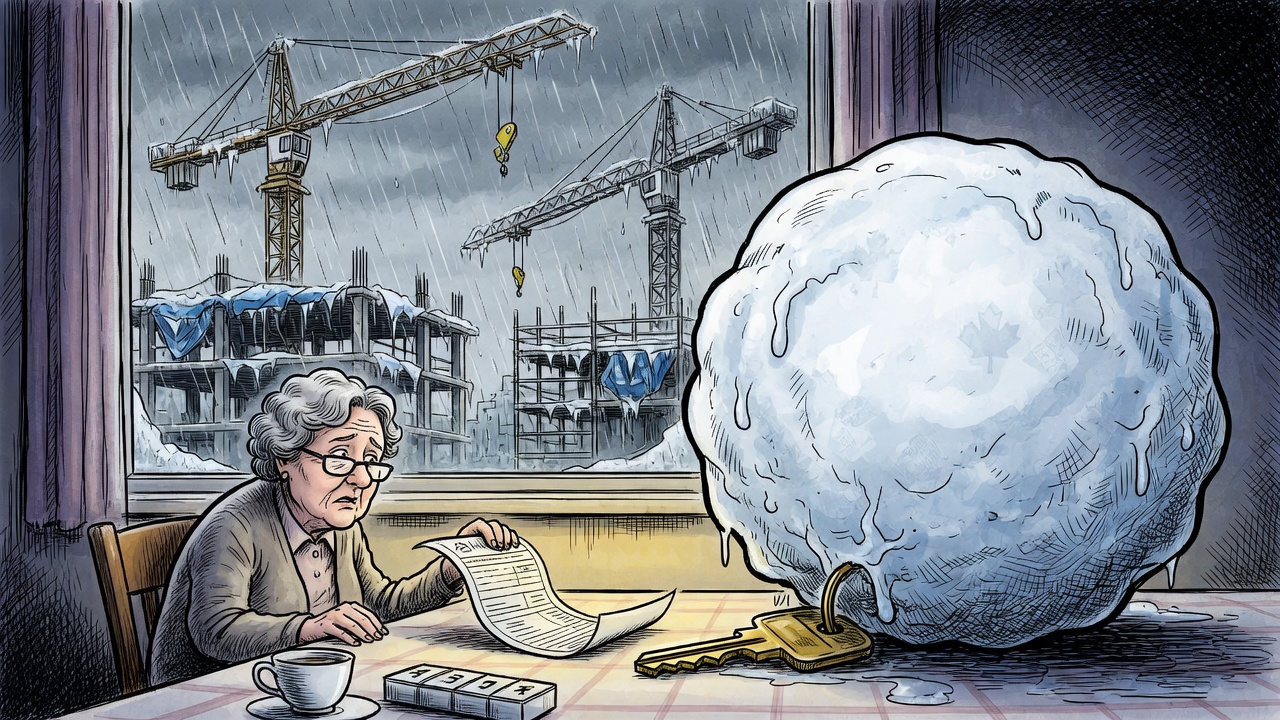
David Eby’s government has told seniors they can age at home. Budget 2026 quietly changed the price of one tool many cash-strapped senior homeowners use to do exactly that.
The Property Tax Deferment Program lets eligible homeowners delay paying property taxes, with the province placing the deferred amount on the property account. For seniors on fixed incomes, that can be the difference between staying in the home they own and being forced to find money they do not have.
The official B.C. government page now says taxes deferred for 2025 and previous years in the regular program carry prime minus 2% and simple interest. For taxes deferred for 2026 and later, the rate becomes prime plus 2% with compound interest. It also says interest is calculated daily, compounded monthly, and added to the balance on the 23rd day of each month before becoming subject to interest the following month.
That is not a messaging dispute. It is a before-and-after table on a government page. The B.C. Seniors Advocate warned in May that the average deferred property-tax amount in 2024/25 was about $5,400 and confirmed the switch from low simple interest at prime minus 2% to higher compounded interest at prime plus 2% for 2026-and-later deferrals. The Advocate still said deferment can remain a good option for homeowners facing affordability pressure. But “still an option” is not the same as “not more expensive.”
On Oct. 9, the Conservative Party of B.C. promised to reverse the NDP change, arguing seniors should not be “taxed out of their homes.” That is a partisan release and should be read as one. The factual core, however, is sitting in the government’s own rules: the NDP budget moved new deferrals from a cheaper simple-interest model to a higher compound-interest model.
The broader seniors-care ledger makes the change harder to defend. Budget 2026 also identified adjusted timing for seven long-term-care projects: Abbotsford, Campbell River, Chilliwack, Cottonwoods in Kelowna, Delta, Fort St. John and Squamish/Hilltop. So the government is asking seniors to rely longer on aging at home while making a home-based affordability backstop cost more for new deferrals.
No one should pretend the province can fund every promise without trade-offs. But this trade-off lands on people with the least room to absorb it: older homeowners who are asset-rich, cash-poor, and trying not to move. If Eby believes this is fair, he should say plainly why a senior’s property-tax lifeline now deserves prime-plus-two compound interest.