The Supreme Court Put Eby’s Aboriginal-Title File Back on the Clock
B.C.’s Nuchatlaht appeal now has deadlines. Voters deserve the government’s plain-language roadmap before ballots are cast.
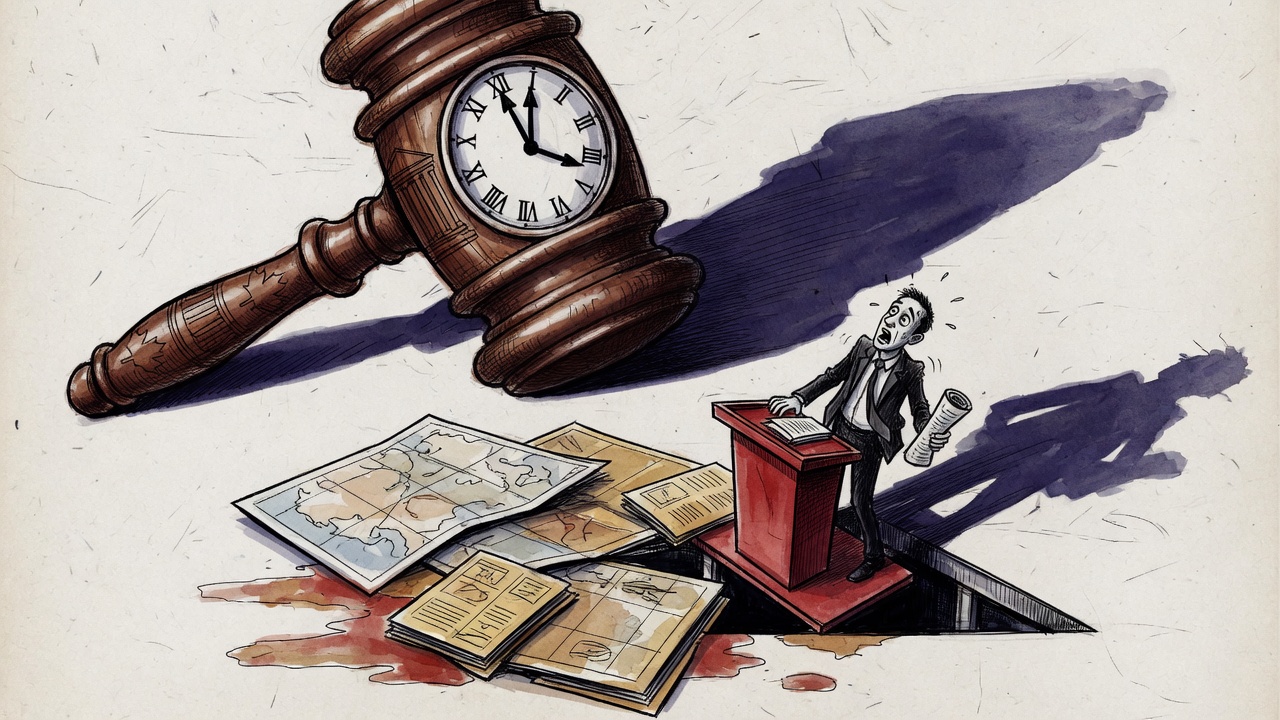
The Supreme Court of Canada has put one of British Columbia’s most consequential land-title files back on a national clock. On October 15, the court granted B.C.’s application for leave to appeal in His Majesty the King in Right of the Province of British Columbia v. The Nuchatlaht, a civil Aboriginal-title case from Nootka Island.
This is not a vague campaign argument. It is now a docket with dates. The Supreme Court registry says B.C. must file its notice of appeal by November 16, 2026, its factum, record and authorities by January 18, 2027, and the Nuchatlaht response by March 8, 2027. The hearing date is still to be confirmed.
The underlying case is serious. The Nuchatlaht, a Nuu-chah-nulth First Nation, claimed Aboriginal title to about 201 square kilometres of Nootka Island. The trial court first recognized title only over certain areas. On April 2, 2026, the B.C. Court of Appeal declared Aboriginal title over the entire claim area. The Supreme Court’s own summary says the appeal raises questions about sufficient occupation, how claim areas are defined, coastal First Nations’ marine orientation, and how courts should treat evidentiary gaps in title litigation.
That legal precision matters because voters are already being bombarded with sloppy claims about Indigenous law, DRIPA and private property. This particular Nuchatlaht claim, according to Cassels’ legal analysis of the Court of Appeal decision, did not include private lands, reserves or overlapping claims by other First Nations. So no one should pretend this case by itself proves private homes are on the table.
But the opposite spin is also too easy. A case does not have to include private lots to have major public consequences. Cassels noted that the Court of Appeal decision indicated the Forest Act and Park Act no longer apply to the recognized Aboriginal-title lands, with implications for forest licences and a provincial park. That is precisely why British Columbians deserve more than campaign slogans.
Eby’s government is appealing. Fine. Then show voters the appeal theory. What legal test is B.C. asking the Supreme Court to restore or clarify? What happens to parks, public access, forestry tenures and provincial decision-making if B.C. loses? What changes if B.C. wins? How does this litigation fit with DRIPA implementation, treaty negotiations and reconciliation-agreement land transfers?
The answer cannot be “trust us until after election day.” B.C. needs a public litigation memo, a plain-language Aboriginal-title roadmap, estimated legal costs, and a commitment to explain any settlement or withdrawal before it happens.
Reconciliation is too important to be managed through fog. So is Crown land. The Supreme Court clock is now ticking; Eby should stop campaigning around the hard questions and put the roadmap in front of voters.
Sources and records
- Supreme Court of Canada docket 42379: B.C. v. The Nuchatlaht
- Canadian Press via iNFOnews: Supreme Court of Canada to hear appeal of First Nation’s Nootka Island claim, October 15, 2026
- Cassels: Third Time’s the Charm? The Nuchatlaht Granted Aboriginal Title Over 201km2 of Nootka Island, April 10, 2026