Eby Calls It a Millionaire Tax. The Doctor Fight Starts at $190,405.
The NDP is selling a health-care tax on millionaires. Its own bracket table starts the hike at $190,405, right where the doctor-recruitment politics get dangerous.
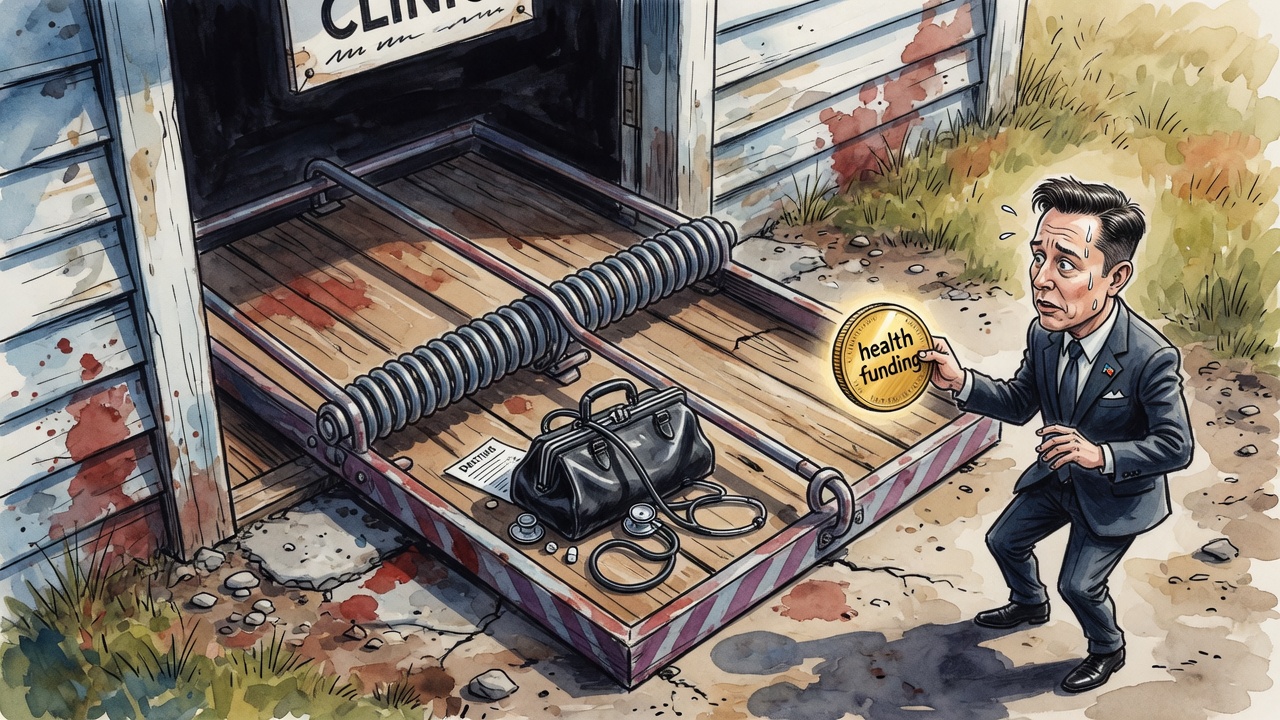
David Eby’s campaign is calling its new revenue plan a way to make millionaires and high earners pay more for health care. The headline is simple. The bracket table is not. The BC NDP’s own release says the change begins in the 2027 tax year, raises the rate on income from $190,405 to $265,545 to 18.8 per cent, raises income from $265,545 to $1 million to 22.5 per cent, and creates a 24.5 per cent rate above $1 million.
That matters because the political fight immediately moved from “millionaires” to doctors. Global News reported Monday that the party projects $225 million in 2026/27, $925 million in 2027/28 and $1 billion in 2028/29 from the changes. The same story quoted Conservative Leader Lorne Doerkson warning that the plan is aimed at a group B.C. is trying to attract and may drive doctors out of the province.
The Conservative Party of BC put the attack more bluntly, calling the proposal an “Eby Doctor Tax” and saying it would tax doctors and specialists every community is trying to recruit. That is partisan language, but the bracket numbers are not partisan. They come from the NDP release. A family physician, specialist, surgeon, senior nurse practitioner, dentist or small-business professional does not need to earn $1 million to be touched by the first higher bracket.
The NDP knows this is a vulnerability because it answered it directly. In a Monday fact-check, the party said the average full-time family physician in B.C. makes $385,000 under the longitudinal family physician payment model, would pay an additional $3,891 in income tax under Eby’s plan, and would receive an $11,550 pay increase next year under the renewed doctors’ agreement.
Those figures are useful because they narrow the dispute. Eby is not proposing that every doctor lose money overall. The NDP is arguing the tax bite is modest compared with compensation gains and that B.C. remains comparatively low-tax. Voters should still notice what had to be defended: not an abstract mansion-class levy, but a tax increase reaching into professional incomes inside a province still trying to fill clinics, keep emergency rooms open and reduce health-care delays.
If the NDP wants to finance health care this way, it should say the quiet part plainly. This is not only a millionaire tax. It is a higher marginal tax on the top roughly four per cent of earners, beginning at $190,405, including some of the medical professionals B.C. says it urgently needs. That may be a tradeoff Eby is willing to make. It should not be hidden behind a campaign label.
Sources and records
- BC NDP: tax plan and bracket backgrounder, October 5, 2026
- BC NDP: doctor-tax fact-check, October 5, 2026
- Global News: Eby defends tax plan as health care dominates campaign, October 5, 2026
- CityNews / Canadian Press: tax brackets and election context, October 5, 2026
- Conservative Party of BC: response to Eby tax plan, October 5, 2026