Eby’s “Fully Costed” Binder Still Needs the Household Ledger
A campaign page total is not the same thing as proof that B.C. families, workers and ratepayers come out ahead.
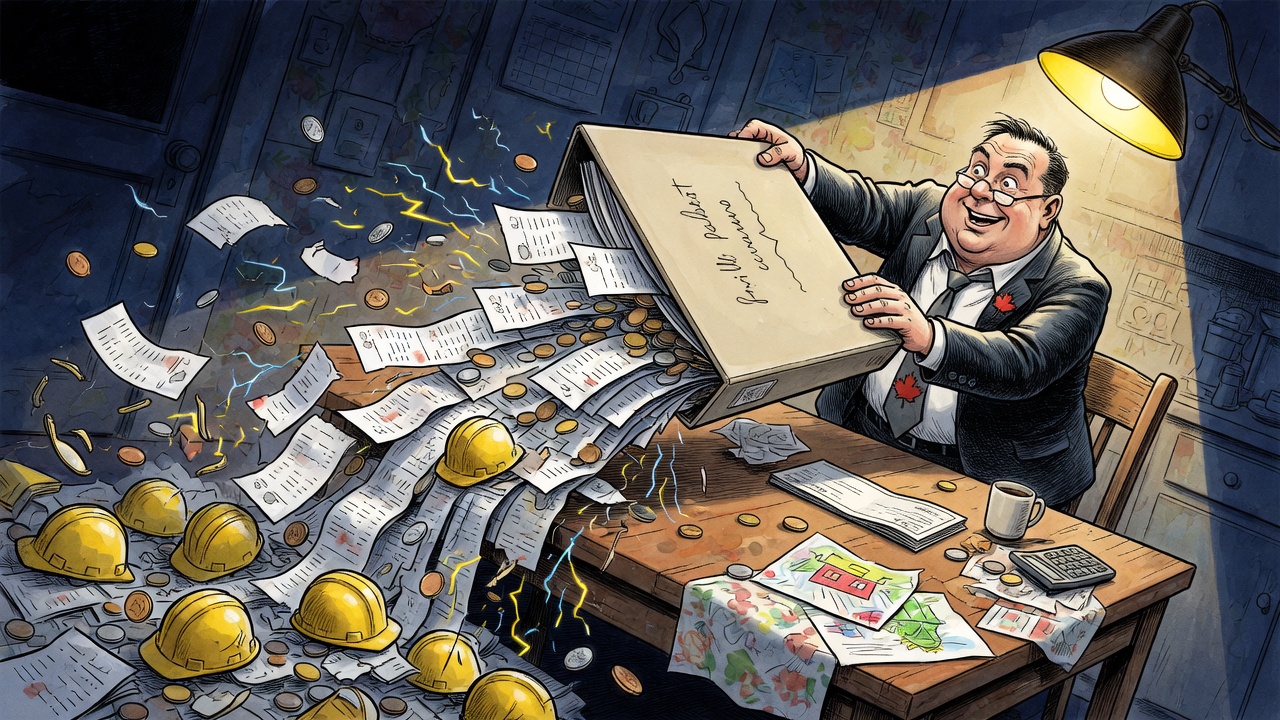
The BC NDP says its platform is “fully costed,” including a promise to raise the basic personal amount by $10,000 and a claim that the plan can protect health care while making life more affordable. That is a political claim voters are entitled to test against the public books, not simply repeat as a comfort phrase.
The BC Conservatives put that test into sharp relief Friday with an opposition release accusing the NDP of driving economic decline and pointing to jobs, deficits, debt, credit ratings, investment, permitting and electricity costs. Opposition releases are not evidence by themselves. But they are a useful checklist when the governing party is asking voters to accept another affordability pitch on trust.
Start with the labour ledger. Statistics Canada’s September Labour Force Survey showed B.C. employment down by 20,000 jobs in September. That is the kind of number that belongs beside any promise of broad relief, because affordability depends on paycheques, not just tax lines in a platform document.
Then look at debt. The provincial debt summary cited in the campaign research file puts taxpayer-supported debt at $112.2 billion at March 31, 2026, with a forecast rise to $150.7 billion by March 31, 2029. If that is the trajectory, “fully costed” still leaves voters asking who pays the interest, what gets crowded out, and how much room is left when the next emergency hits.
Hydro costs belong in the same household ledger. BC Hydro’s F2026–F2027 revenue-requirements filing set out a cumulative proposed rate increase of 5.6% over two fiscal years: 3.75% for F2026 and 1.75% for F2027. A tax promise does not erase rate pressure if families and small businesses are paying more through essential bills.
That is the central problem with the NDP’s “fully costed” message. It answers the easiest question — whether the campaign binder has totals — while dodging the harder one: whether the totals improve life for people already squeezed by job uncertainty, rising public debt and utility costs.
Voters should demand a plain household receipt before accepting the slogan. Show the net cost of the tax change after borrowing. Show the debt-service risk. Show the job assumptions. Show the hydro-rate path. Show what happens if the promised growth does not arrive. If the plan is strong, it can survive that test. If it cannot, the binder is not an affordability plan. It is another invoice waiting on the kitchen table.